
Resources
1:55
Your Cervical Screening Test
National Cervical Screening Program - Cervical screening explained
3:59
National Cervical Screening Program – Your choices explained
This video helps people from culturally and linguistically diverse communities understand the options available for their Cervical Screening Test.
2:20
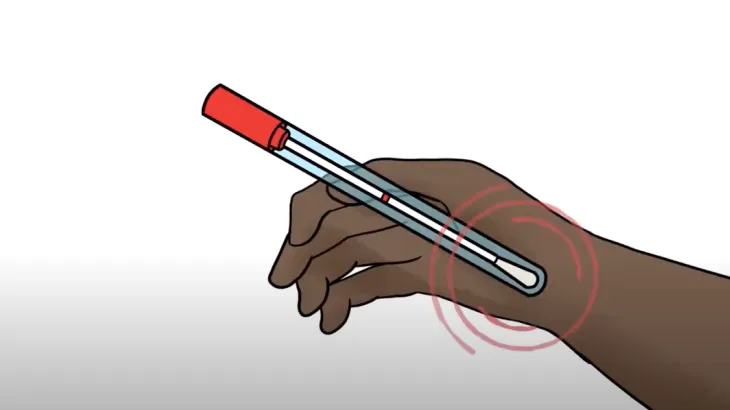
National Cervical Screening Program – How to take your own Cervical Screening Test sample (for Aboriginal and Torres Strait Islander women)
This video is for Aboriginal and Torres Strait Islander women. It explains how to take your own Cervical Screening Test sample if they choose self-collection as a screening option for their Cervical Screening Test.
3:55
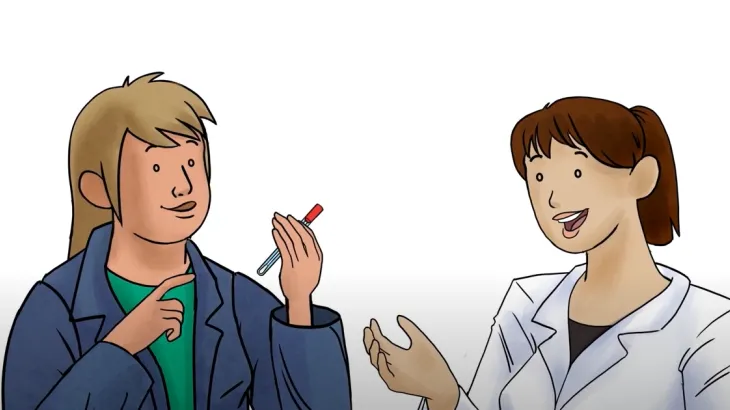
National Cervical Screening Program – Cervical screening explained
This video provides an overview of the National Cervical Screening Program. It outlines what a Cervical Screening Test is and the test options available to participants.
1:53
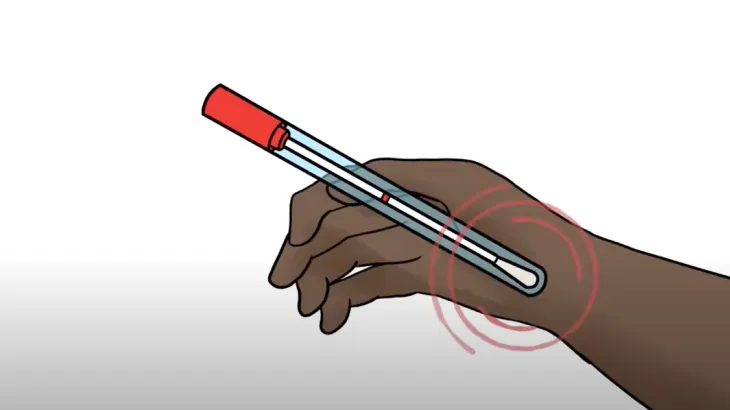
National Cervical Screening Program – How to take your own Cervical Screening Test sample
This video explains how to take your own Cervical Screening Test sample if self-collection is chosen as a screening option for a Cervical Screening Test.
3:16
Top 3 questions – Bowel cancer screening program and GP involvement with Professor Michael Kidd
Hear from Deputy Chief Medical Officer Professor Michael Kidd on the bowel cancer screening program and GP involvement.
3:40
Top 3 questions – Bowel Cancer Screening with Professor Michael Kidd
This Bowel Cancer Awareness month hear from Deputy Chief Medical Officer Professor Michael Kidd on the importance of completing your simple, free bowel cancer screening test.
2:53
Top 3 questions – Monkeypox
Hear Doctor Lucas De Toca, COVID-19 Primary Care Response First Assistant Secretary, talk about Monkeypox.
5:44
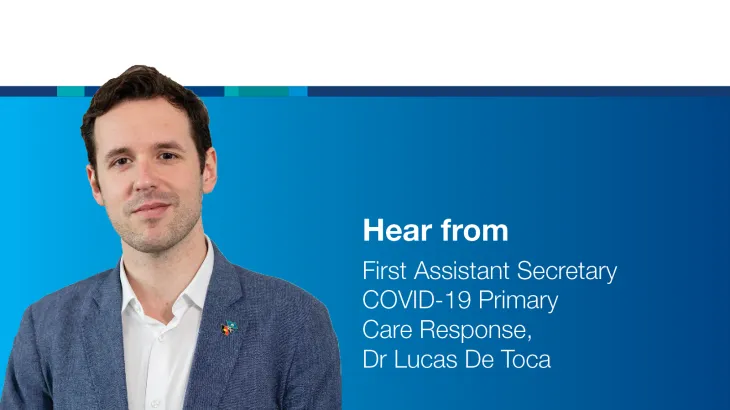
Top 3 questions – Chronic Conditions
Hear Doctor Lucas De Toca, COVID-19 Primary Care Response First Assistant Secretary, talk about chronic illness.
6:30
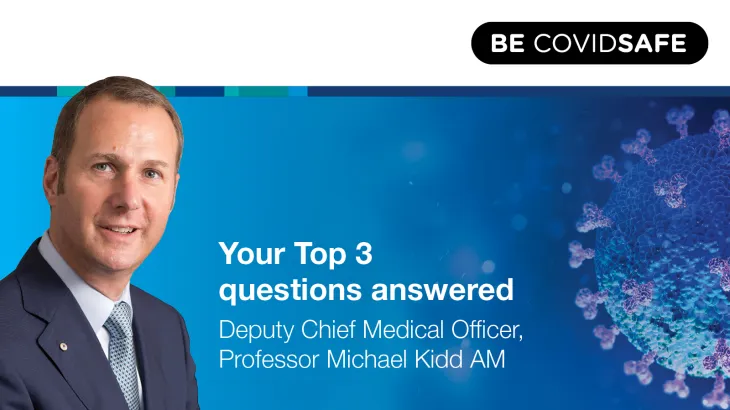
Top 3 questions – Healthy lifestyle choices
Professor Michael Kidd, Deputy Chief Medical Officer, discusses making healthy choices, and the small steps we can take every day to enjoy a healthy life.
1:48
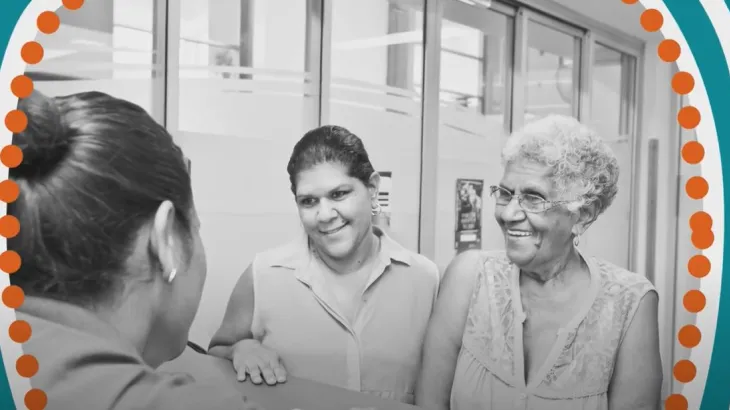
BreastScreen Australia – video – Getting tested for breast cancer can save your life
This video explains why it's important to get tested for breast cancer, and what to expect when getting a test.
Independent Evaluation of HeadtoHelp and AMHCs final evaluation report
This final report shows the key findings from the evaluation which includes qualitative data collected through interviews and other artefacts and a quantitative analysis of the Primary Mental Health Care Minimum Dataset (PMHC-MDS) data.
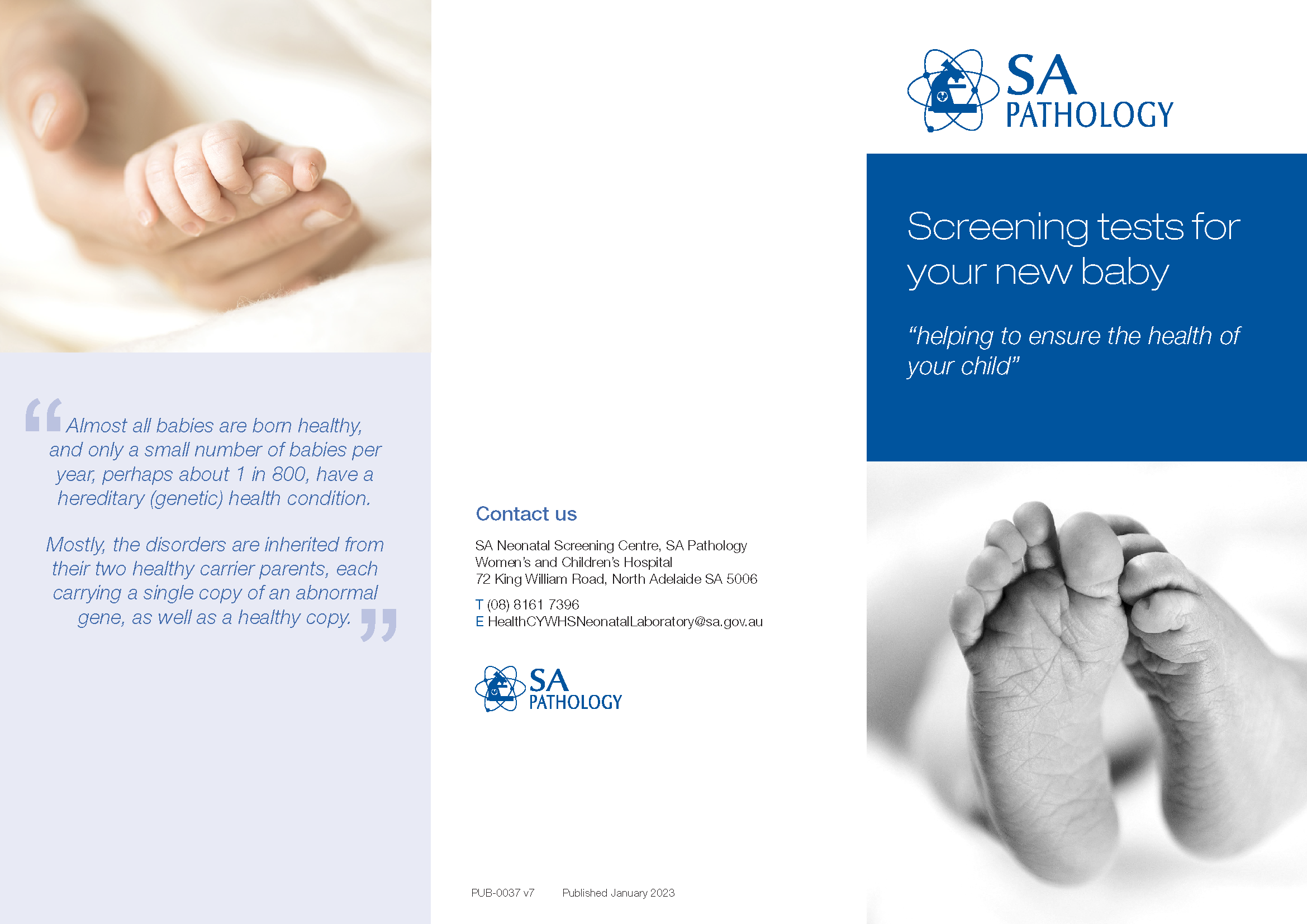
Screening tests for your new baby – South Australia
South Australia Pathology brochure explaining how newborn bloodspot screening works in South Australia.
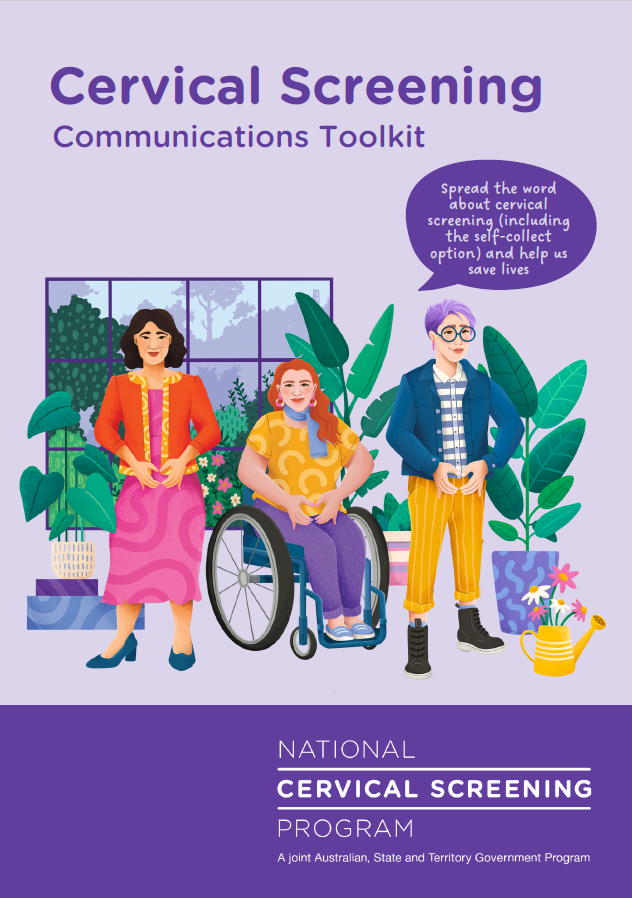
Cervical Screening Communications Toolkit
This communications toolkit contains key messages, social content, images, and case studies regarding cervical screening that can be used directly, or adapted or edited for external channels.
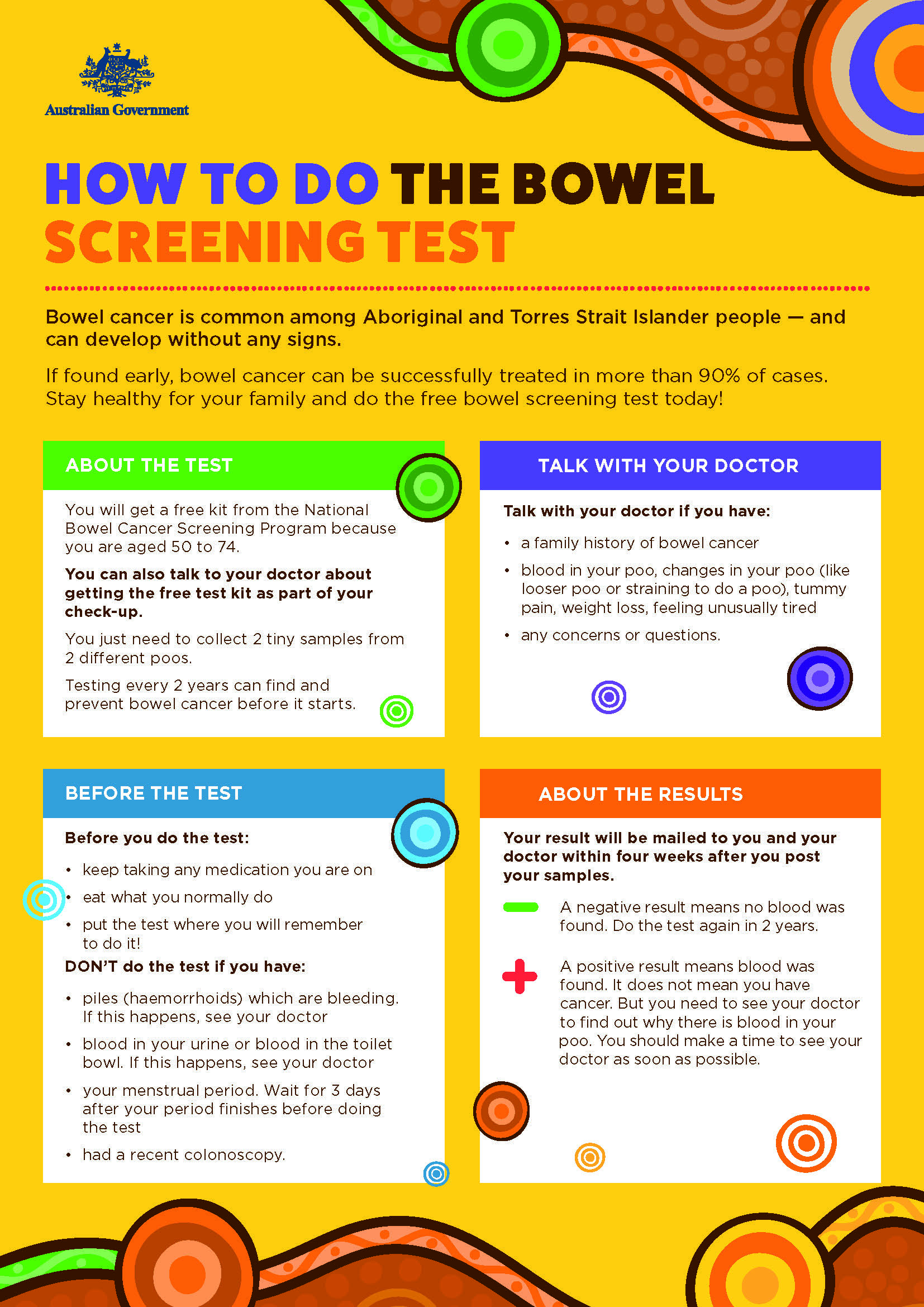
How to do the bowel screening test – fact sheet for Indigenous people
This flyer for Aboriginal and Torres Strait Islander people explains why bowel screening is important and how to do the test. It is part of the National Bowel Cancer Screening Program.
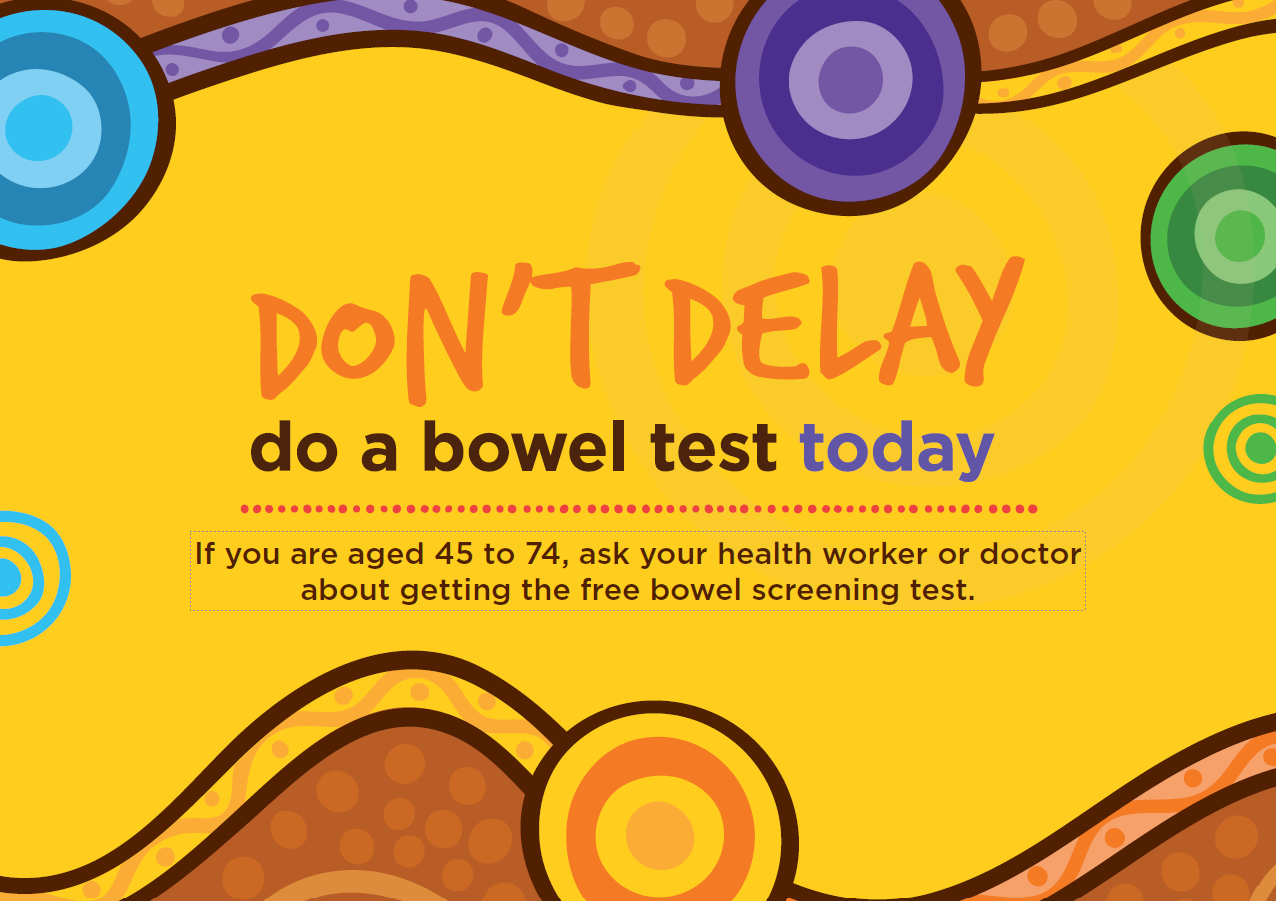
National Bowel Cancer Screening Program – postcard for Indigenous people
This postcard is designed to encourage Aboriginal and Torres Strait Islander people to do the National Bowel Cancer Screening Program test when it arrives in the mail.
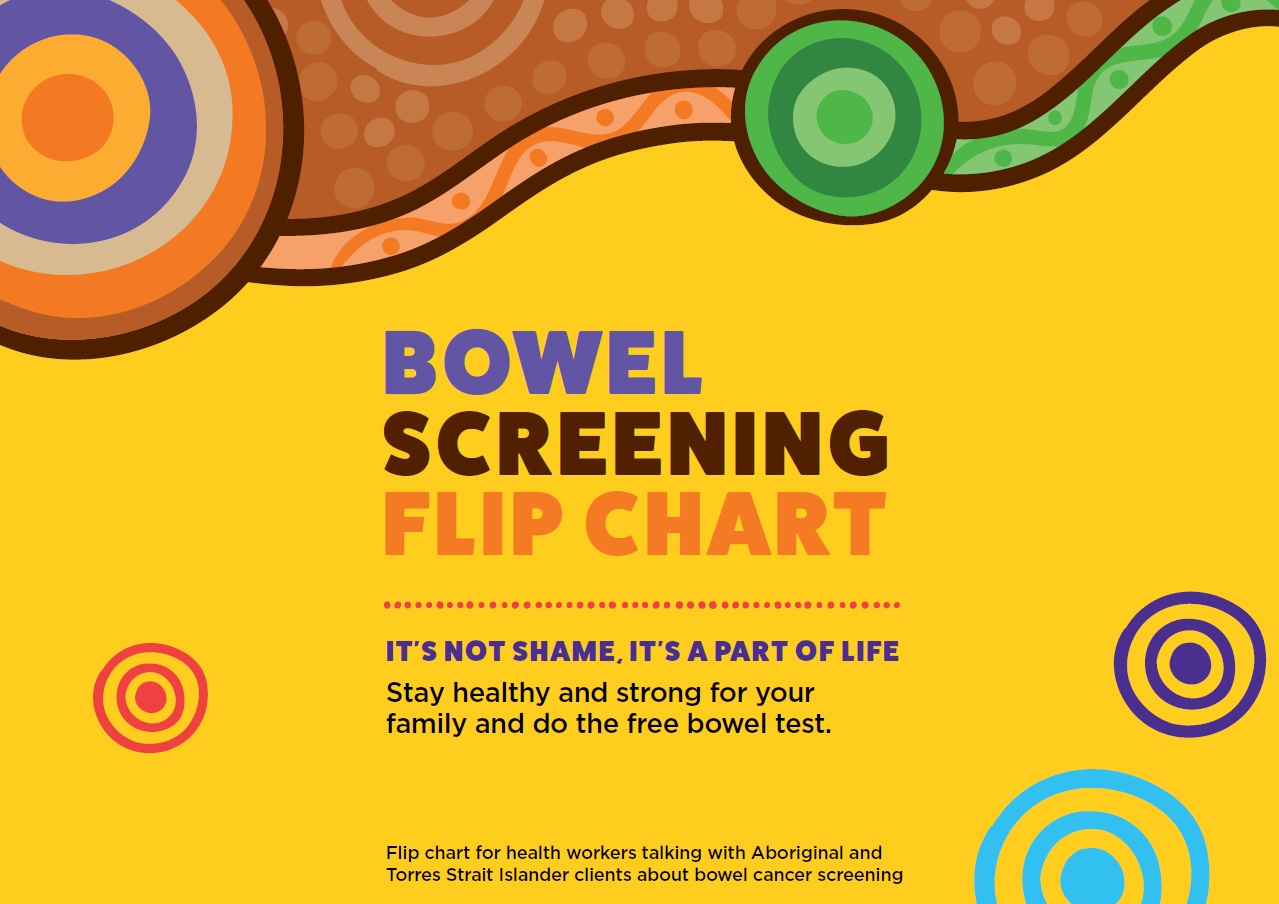
Understanding bowel screening – Flip chart guide for Indigenous people
The flip chart is designed to be used by health professionals talking with Aboriginal and Torres Strait Islander people about bowel screening. It can be used with small groups or with a single person.
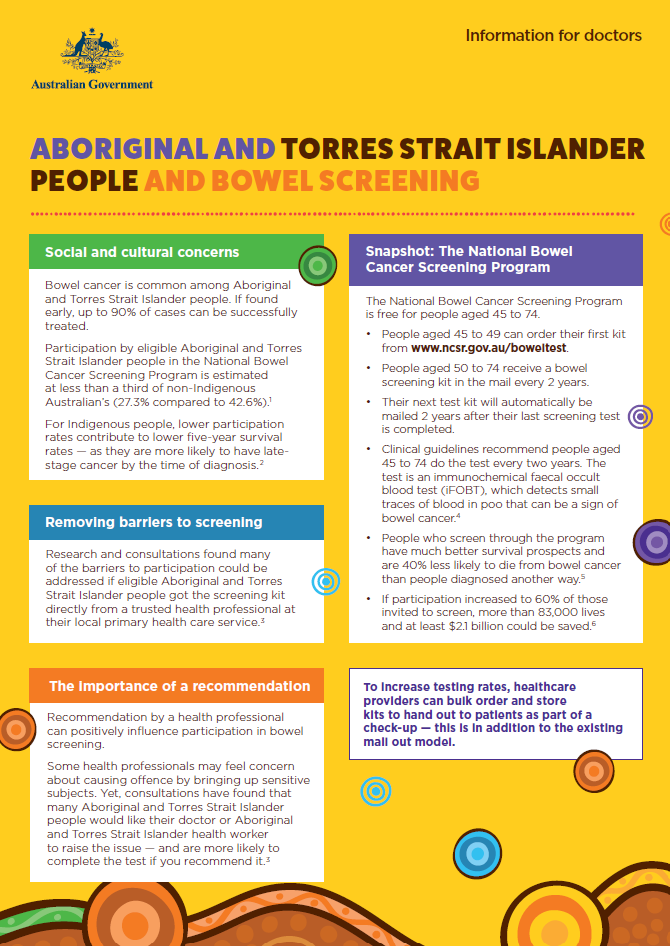
Indigenous people and bowel screening – Information for doctors
Doctors use this fact sheet to encourage Aboriginal and Torres Strait Islander people to take part in bowel cancer screening.
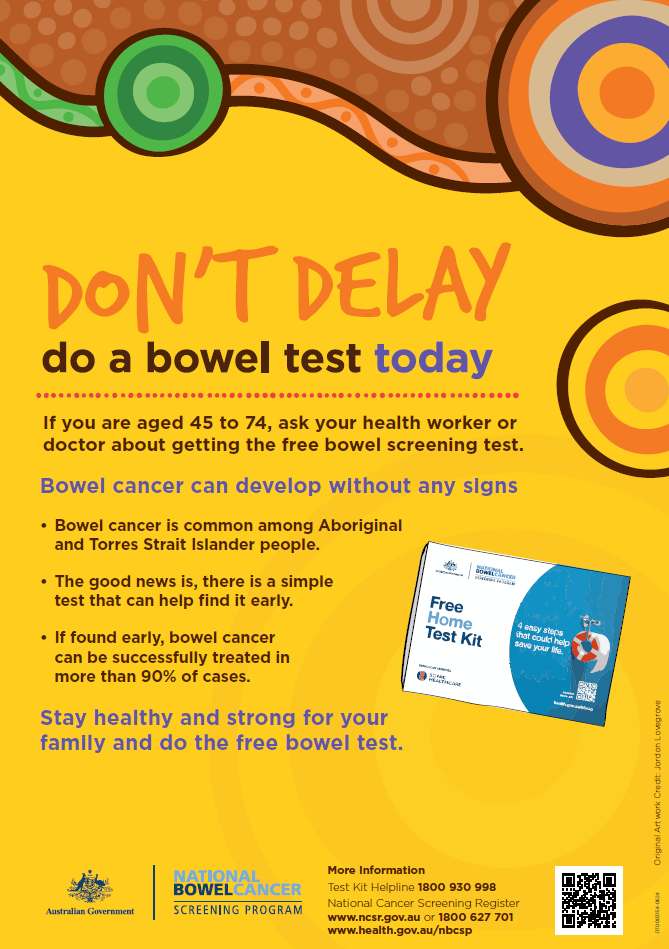
National Bowel Cancer Screening Program – A3 poster with Indigenous artwork
This A3-sized poster is designed to encourage Aboriginal and Torres Strait Islander people to do the National Bowel Cancer Screening Program test when it arrives in the mail.
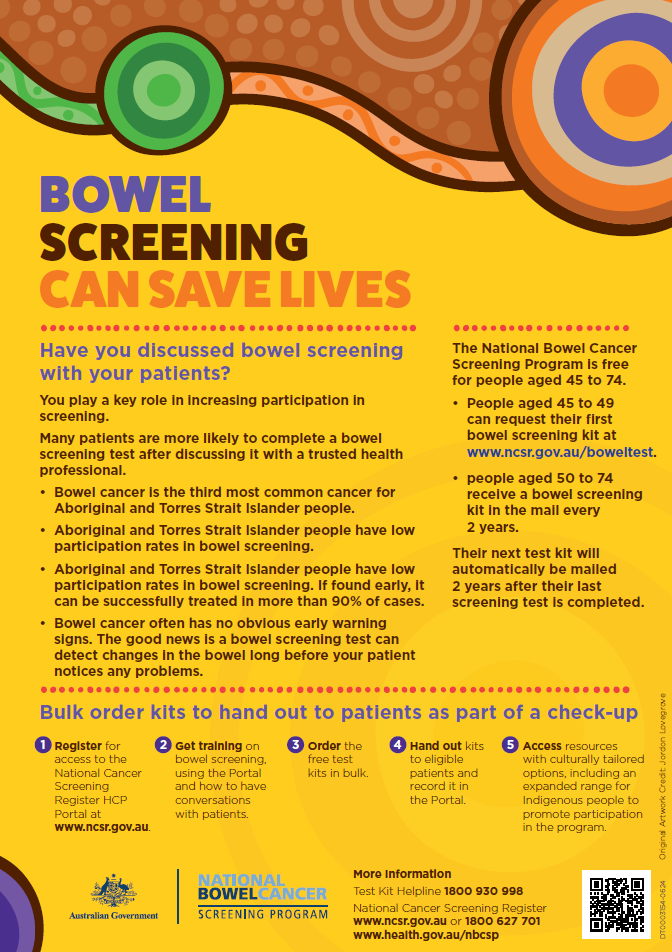
National Bowel Cancer Screening Program – A4 poster for health professionals with Indigenous artwork
This A4-sized encourages health professionals to talk to Aboriginal and Torres Strait Islander people about bowel screening. For display in health services in staff-only access areas.
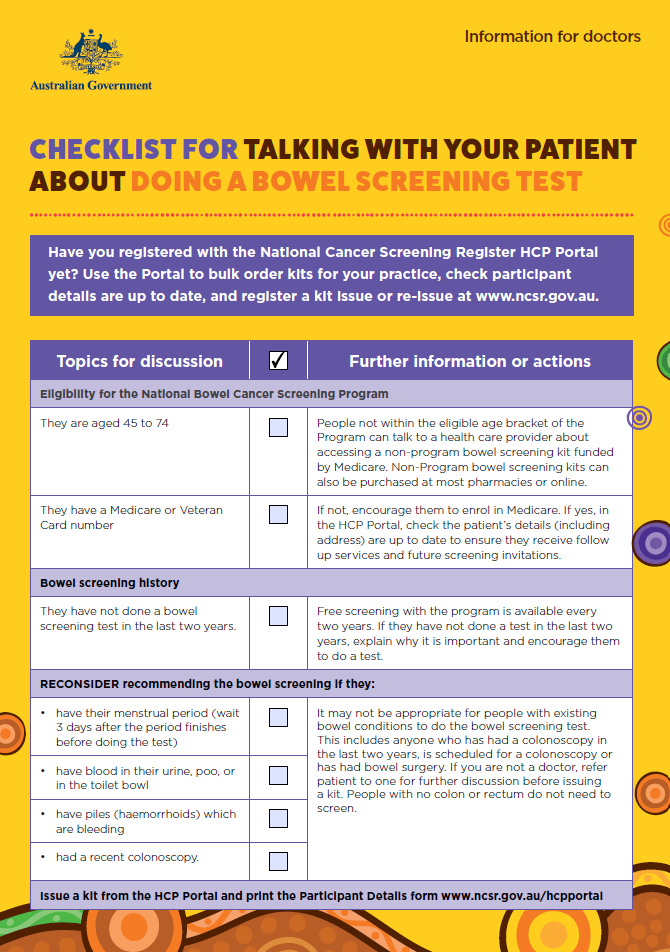
National Bowel Cancer Screening Program – Checklist for talking with your patients – with Indigenous artwork
This checklist includes all the key items health professionals should cover when talking with Aboriginal and Torres Strait Islander patients about bowel screening. These activities do not all need to be carried out by one health professional or all at the same time.
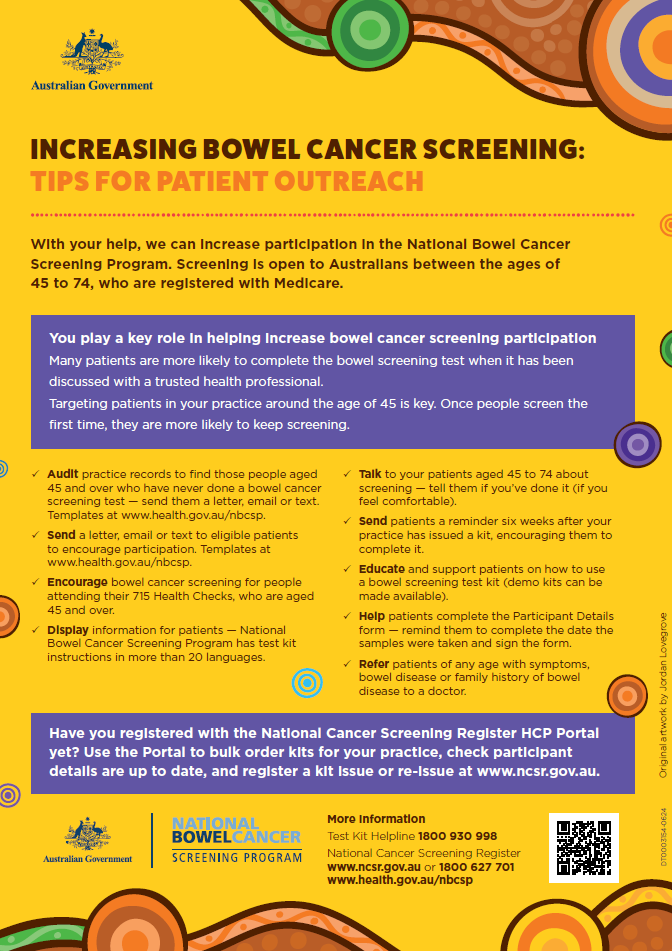
Increasing bowel cancer screening – tips for patient outreach
This fact sheet for health professionals explains how to increase participation in the National Bowel Cancer Screening Program.
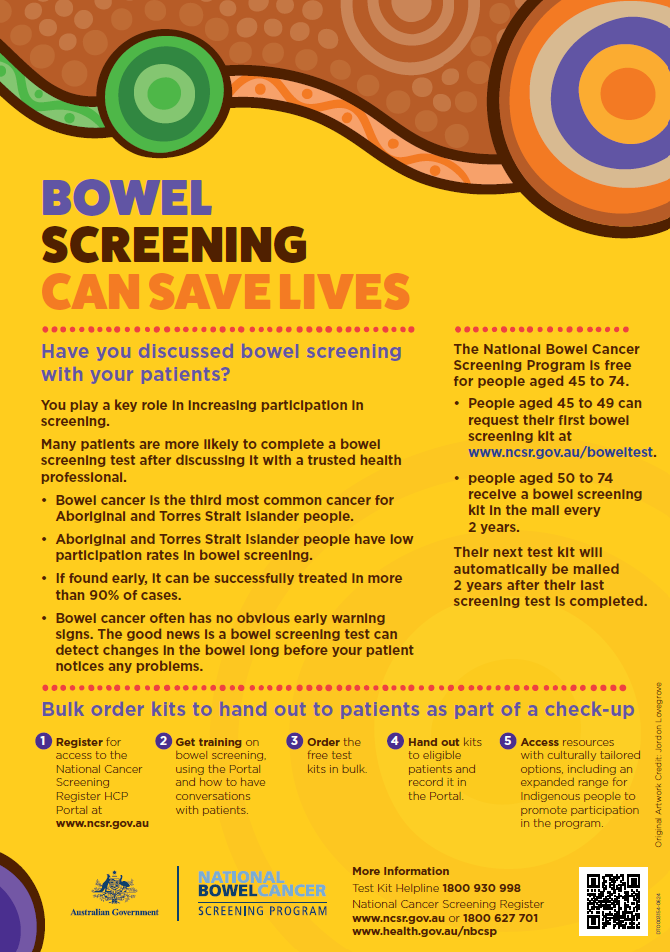
National Bowel Cancer Screening Program – A3 poster for health professionals with Indigenous artwork
This A3-sized encourages health professionals to talk to Aboriginal and Torres Strait Islander people about bowel screening. For display in health services in staff only access areas.
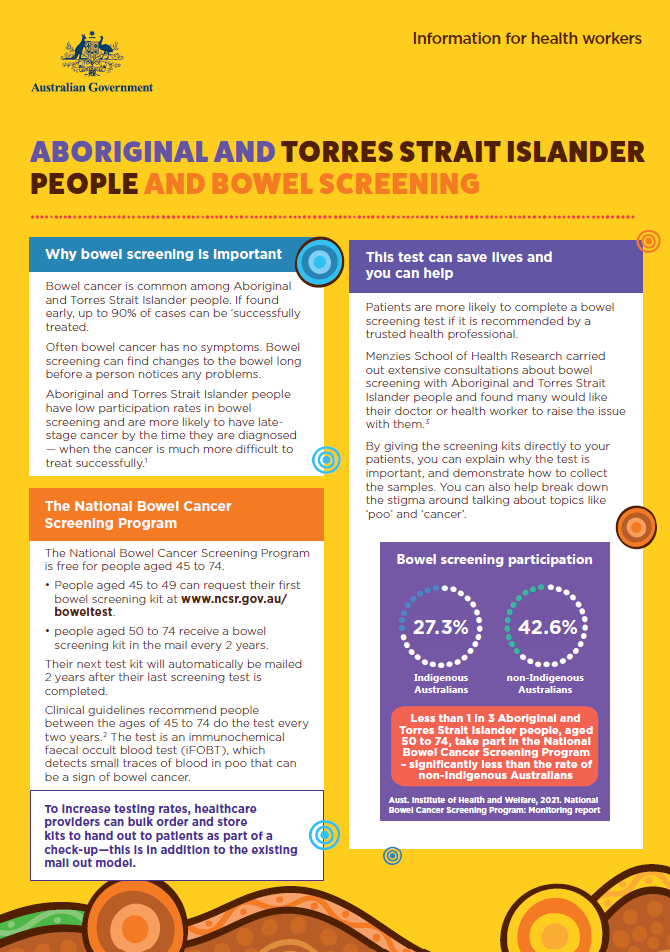
Indigenous people and bowel screening – Information for health workers
Health workers use this fact sheet to encourage Aboriginal and Torres Strait Islander people to take part in bowel cancer screening.
Surveyor expressions of interest – radiographer
Information package for radiographer surveyors.
Date last updated: