
Filter results
You can narrow down the results using the filters
Audience
Topics
Our work
Diseases
11597 results
-
 00:17
00:17Nicotine – First Nations animation
A 17-second animation to share on your social channels to encourage yarning about nicotine addiction. -

Prescribed List – Application resources
This collection contains guidance on submitting an application to have a device included on the Prescribed List. -

Prescribed List – Compliance resources
This collection contains guidance on complying with the Prescribed List, including our compliance strategy. -
 2:41
2:41Volunteer visitor stories – Sunita and Barbara
Sunita and Barbara shared a cheeky and loving spark. Their friendship transcended age and brought much joy to both of them. This video is in loving memory of Barbara. -
 2:50
2:50Volunteer visitor stories – Susie and Gutiwuy
Susie moved to Nhulunbuy in East Arnhem Land and started visiting Gutiwuy, a Yolngu elder. Gutiwuy shares her knowledge about Country with Susie. The pair reflect on how the ACVVS has connected people in rural and remote communities. -
 3:10
3:10Volunteer visitor stories – Anne and Marlene
Anne visits Marlene each week as an aged care volunteer visitor. Sharing and learning about each other’s different cultures and backgrounds has enriched their lives. -
 3:44
3:44Volunteer visitor stories – Amber and Sue
Amber didn’t know anyone when she moved to Darwin. When she started visiting Sue as a volunteer visitor, she had her first friend. Their friendship has deepened through their mutual love of music. -
 2:32
2:32Volunteer visitor stories – Karrine and Rita
Karinne has been visiting Rita for over three years. The pair share a deep bond and discuss the importance of social connection and friendship to reduce loneliness and isolation. -
 2:44
2:44Volunteer visitor stories – Sandeep and Som
Sandeep visits Som at his aged care home every Saturday. Their mateship is built on playing chess, shared culture and language, and the wisdom brought from an intergenerational relationship. -
 0:45
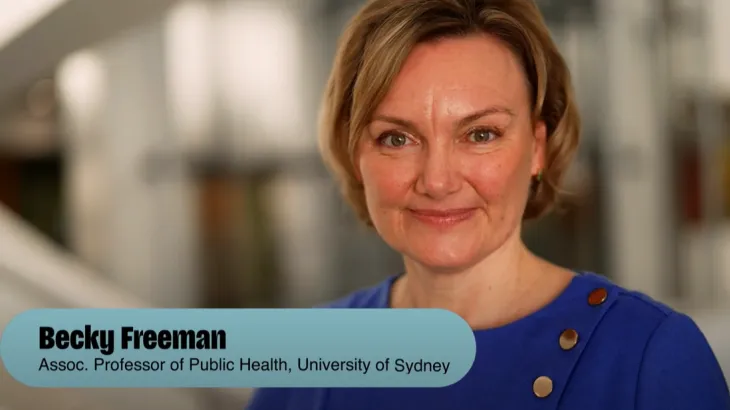
0:45Becky Freeman: Give up vaping for good – support services
Associate Professor Becky Freeman explains some of the health risks associated with vaping and what support services are available to help you give up for good. -
 1:42
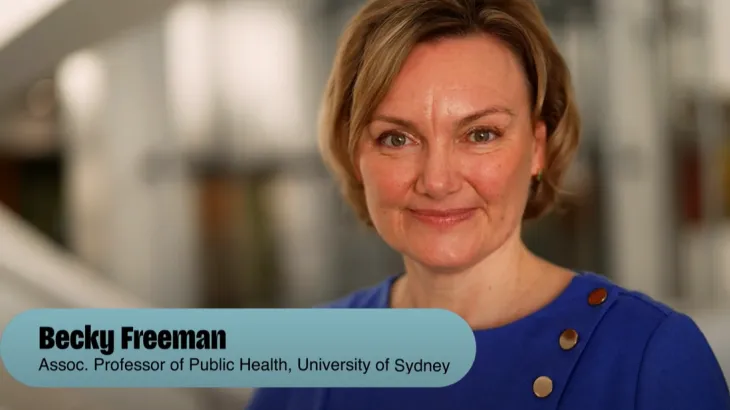
1:42Becky Freeman – Give up vaping for good
Associate Professor Becky Freeman explains the health risks associated with vaping and what support services are available to help you give up for good. -
 0:40
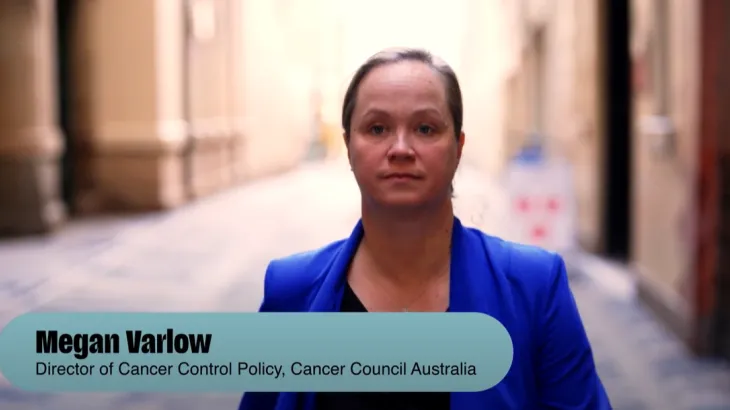
0:40Megan Varlow: Give up smoking for good – support services
Megan Varlow is the Director of Cancer Control Policy at Cancer Council Australia. Watch as she talks about the different support services available to help you give up smoking for good. -
 1:35
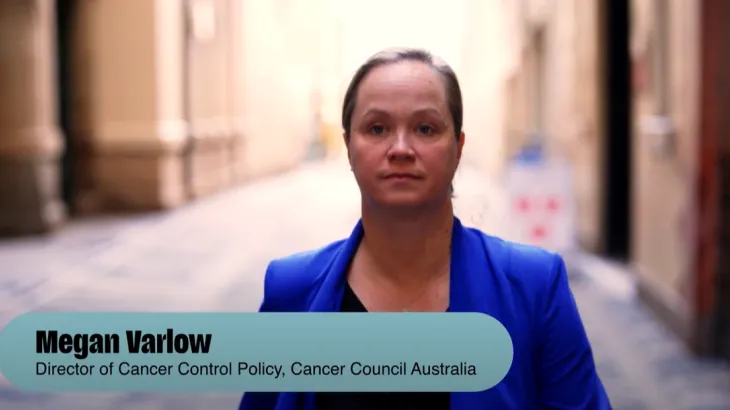
1:35Megan Varlow – Give up smoking for good
Megan Varlow is the Director of Cancer Control Policy at Cancer Council Australia. Watch as she talks about the health benefits of quitting smoking and what support services are available to help you give up for good. -

Tips for supporting someone to quit
When someone decides to quit smoking or vaping, they’re more likely to succeed with the support of their family and friends. -
 2:18
2:18How I quit smoking for good – Sarah’s journey
Join Sarah as she shares her journey to quit smoking and the challenges she faced along the way. She talks about the strategies that helped her succeed and offers tips for anyone trying to quit. -
 00:29
00:29Breaking habits – Sarah’s journey
Join Sarah as she shares her journey to quit smoking. She talks about the strategies that helped her break the habits that led to her smoking and offers tips for anyone trying to quit. -
 00:34
00:34What worked for me – Sarah’s journey
Watch as Sarah shares her journey to quit smoking. She talks about the strategies, including medication, that helped her succeed and the financial benefits of quitting. -
 00:31
00:31Don’t stop trying – Sarah’s journey
Hear Sarah’s story as she shares her journey to quit smoking and offers advice for others looking to do the same – don’t stop trying. -
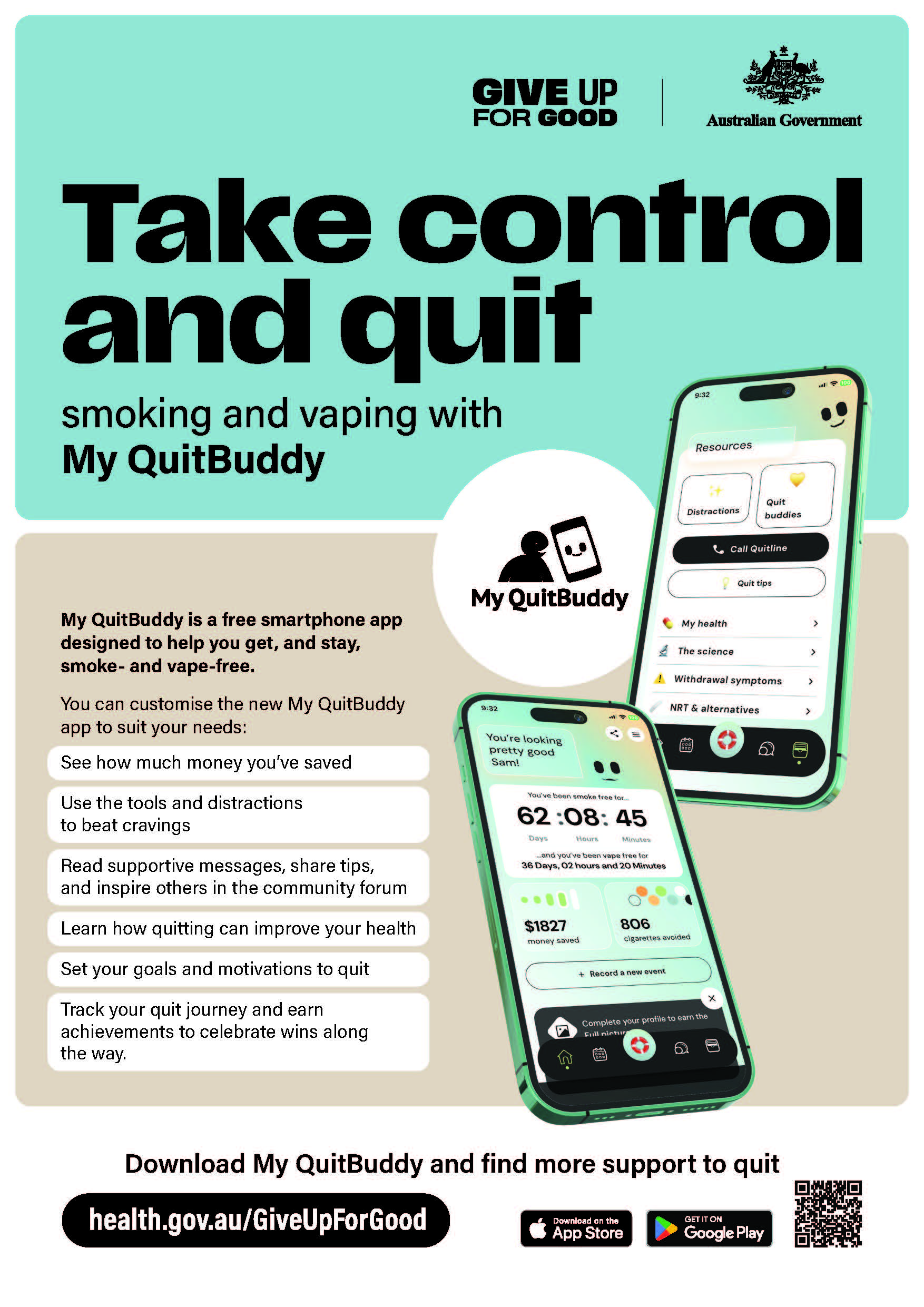
Take control and quit
Take control and quit smoking and vaping with My QuitBuddy app. -

1800MEDICARE
1800MEDICARE (1800 633 422) is a free phone and digital service for general health information, urgent health advice, immediate non-emergency care, and service navigation. -
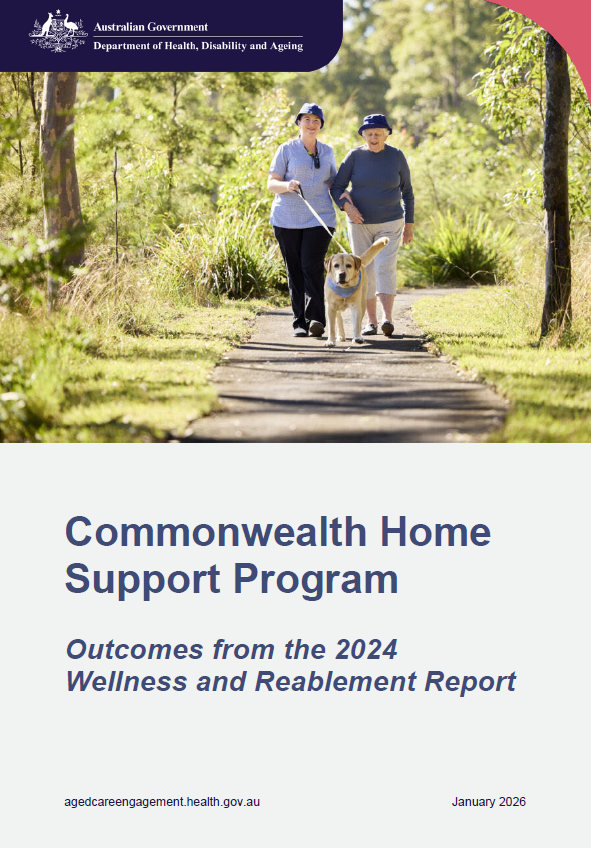
Commonwealth Home Support Program – Outcomes from the 2024 Wellness and Reablement Report
Read the findings of the Commonwealth Home Support Program 2024 Wellness and Reablement Report, about Commonwealth Home Support Program providers’ progress towards embedding wellness and reablement approaches. -

Webinar series: Home matters – Rethinking aged care design
This 8-part webinar series supports aged care providers and designers to understand and apply the National Aged Care Design Principles and Guidelines and supporting resources. Older people, families and carers will also learn about what good design looks like when choosing an aged care home. -

Cheaper Medicines: FAQs about the lower PBS co‑payment
This FAQ explains how the reduced PBS co‑payment helps Australians save on medicines, what the changes mean for general and concession card holders, and how costs, Safety Net thresholds, and brand premiums may affect what you pay. -
 00:15
00:15PBS concession co-payment freeze advertisement – 15-seconds
For Australian concession card holders, the maximum cost of PBS medicines remains $7.70 until 2030. -
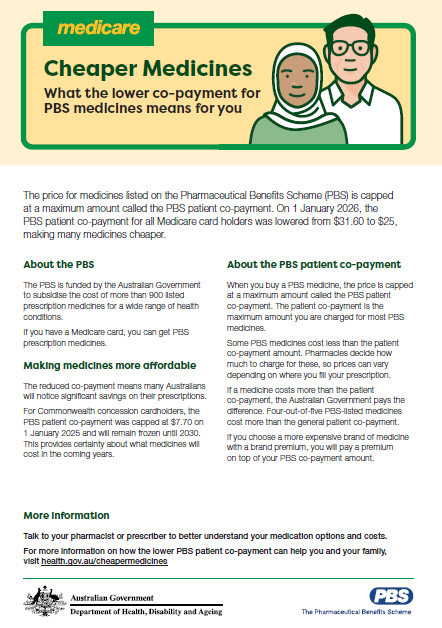
PBS price reduction: What the lower co‑payment means for you – Fact sheet
This fact sheet explains the reduction of the PBS patient co‑payment to $25 for Medicare card holders and the continued $7.70 cap for concession card holders. It outlines how the PBS works and how the changes make medicines more affordable.