
Filter results
You can narrow down the results using the filters
Audience
Publication type
Topics
Our work
Diseases
9675 results
-
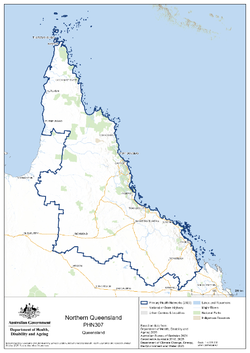
Northern Queensland Primary Health Network (PHN) map – topographic
This map shows the geographical area of the Northern Queensland Primary Health Network. -

Western Queensland Primary Health Network (PHN) map – Modified Monash Model (MMM) remoteness area
This map shows the Modified Monash Model remoteness area classifications of the Western Queensland Primary Health Network. -

Western Queensland Primary Health Network (PHN) map – socioeconomic disadvantage
This map shows the most socioeconomically disadvantaged areas within the Western Queensland Primary Health Network. -

Western Queensland Primary Health Network (PHN) map – topographic
This map shows the geographical area of the Western Queensland Primary Health Network. -
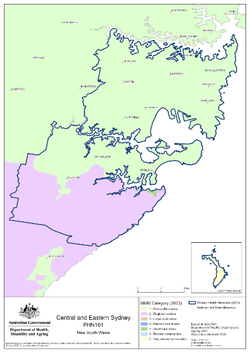
Central and Eastern Sydney (NSW) Primary Health Network (PHN) map – Modified Monash Model (MMM) remoteness area
This map shows the Modified Monash Model remoteness area classifications of the Central and Eastern Sydney (NSW) Primary Health Network. -

Central and Eastern Sydney (NSW) Primary Health Network (PHN) map – socioeconomic disadvantage
This map shows the most socioeconomically disadvantaged areas within the Central and Eastern Sydney (NSW) Primary Health Network. -

Central and Eastern Sydney (NSW) Primary Health Network (PHN) map – topographic
This map shows the geographical area of the Central and Eastern Sydney (NSW) Primary Health Network. -
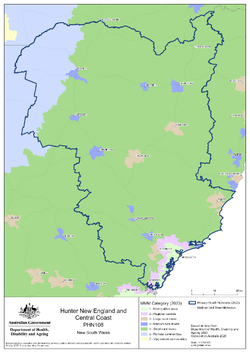
Hunter, New England and Central Coast (NSW) Primary Health Network (PHN) map – Modified Monash Model (MMM) remoteness area
This map shows the Modified Monash Model remoteness area classifications of the Hunter, New England and Central Coast (NSW) Primary Health Network. -

Hunter, New England and Central Coast (NSW) Primary Health Network (PHN) map – socioeconomic disadvantage
This map shows the most socioeconomically disadvantaged areas within the Hunter, New England and Central Coast (NSW) Primary Health Network. -

Hunter, New England and Central Coast (NSW) Primary Health Network (PHN) map – topographic
This map shows the geographical area of the Hunter, New England and Central Coast (NSW) Primary Health Network. -
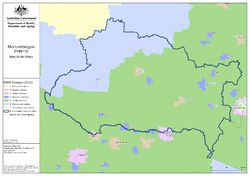
Murrumbidgee (NSW) Primary Health Network (PHN) map – Modified Monash Model (MMM) remoteness area
This map shows the Modified Monash Model remoteness area classifications of the Murrumbidgee (NSW) Primary Health Network. -

Murrumbidgee (NSW) Primary Health Network (PHN) map – socioeconomic disadvantage
This map shows the most socioeconomically disadvantaged areas within the Murrumbidgee (NSW) Primary Health Network. -

Murrumbidgee (NSW) Primary Health Network (PHN) map – topographic
This map shows the geographical area of the Murrumbidgee (NSW) Primary Health Network. -
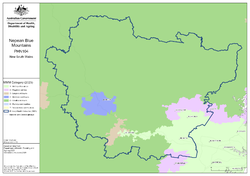
Nepean Blue Mountains (NSW) Primary Health Network (PHN) map – Modified Monash Model (MMM) remoteness area
This map shows the Modified Monash Model remoteness area classifications of the Nepean Blue Mountains (NSW) Primary Health Network. -

Nepean Blue Mountains (NSW) Primary Health Network (PHN) map – socioeconomic disadvantage
This map shows the most socioeconomically disadvantaged areas within the Nepean Blue Mountains (NSW) Primary Health Network. -

Nepean Blue Mountains (NSW) Primary Health Network (PHN) map – topographic
This map shows the geographical area of the Nepean Blue Mountains (NSW) Primary Health Network. -
Care minutes in aged care homes
This fact sheet helps older people, their families and carers understand the care minutes requirement for residential aged care. -
24/7 registered nurses in aged care homes
This fact sheet helps older people, their families and carers understand the 24/7 registered nurse requirement for approved residential aged care. -
Life Saving Drugs Program – Acid sphingomyelinase deficiency (ASMD) types A/B and B – Guidelines
These guidelines contain the general, initial and ongoing eligibility requirements to access treatment for acid sphingomyelinase deficiency (ASMD) types A/B and B under the Life Saving Drugs Program. -
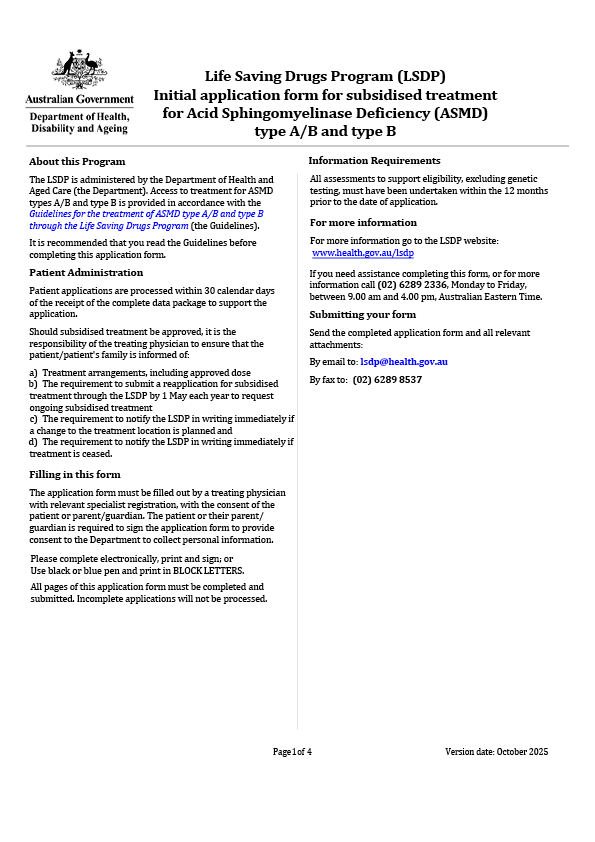
Life Saving Drugs Program – Acid sphingomyelinase deficiency (ASMD) types A/B and B – Initial application
Treating physicians use this application form to apply for a patient to access LSDP medication for ASMD types A/B and B for the first time, or after a break. -
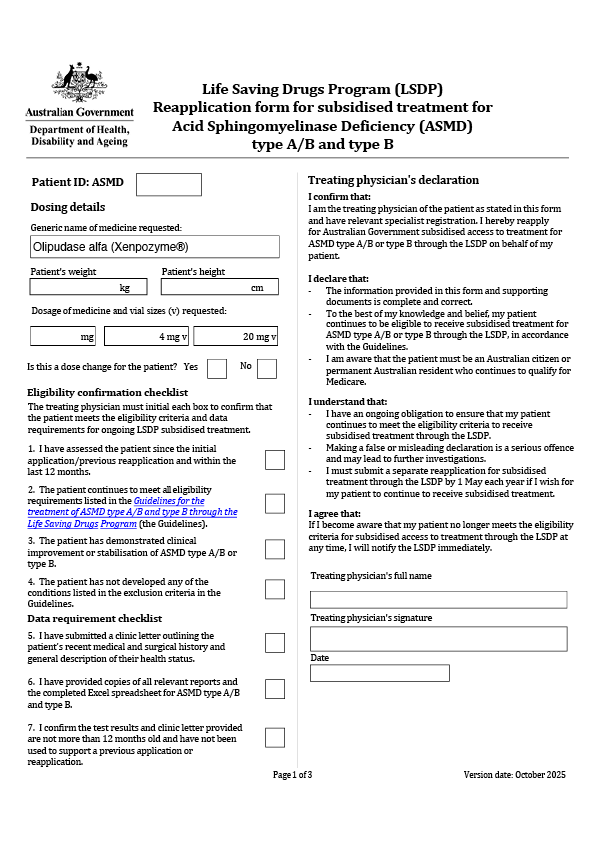
Life Saving Drugs Program – Acid sphingomyelinase deficiency (ASMD) types A/B and B – Reapplication
Treating physicians use this form to reapply each year for a patient to receive ongoing LSDP medication for ASMD types A/B and B. -
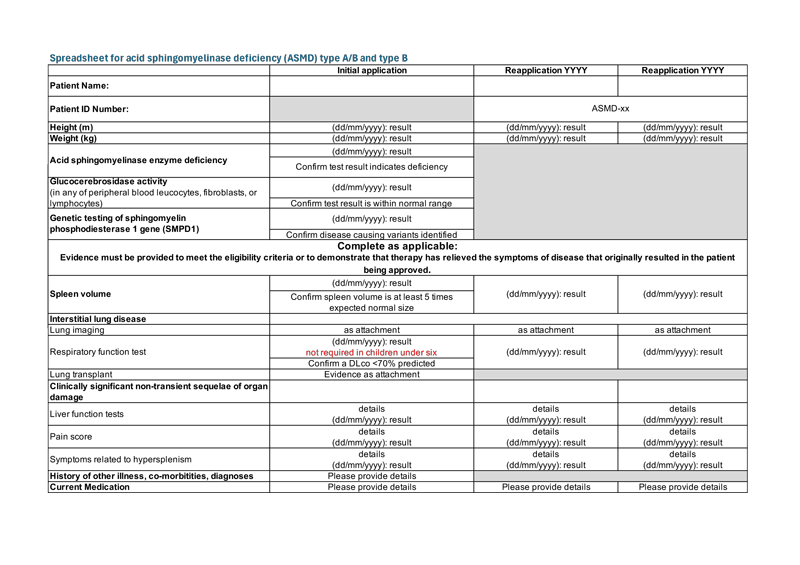
Life Saving Drugs Program – Acid sphingomyelinase deficiency (ASMD) types A/B and B – Patient test results spreadsheet
Specialists use this spreadsheet to report their patient's test results when reapplying for treatment under the Life Saving Drugs Program. -

Thriving Kids Advisory Group communique – September 2025
This communique is published following each meeting of the Thriving Kids Advisory Group. It summarises the meeting discussions and outcomes. -
Support at Home – Frequently asked questions for older people
This document answers some frequently asked questions from older people, families and carers about the Support at Home program following the webinar on 14 August 2025. -
Review of the remoteness classification system for aged care – Consultation summary report
This report provides information on key insights and themes from the consultation phase of the department’s review of the remoteness classification system known as the Modified Monash Model (MMM).