
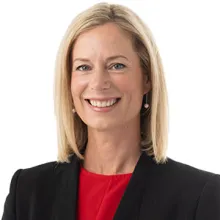
REBECCA WHITE, ASSISTANT MINISTER FOR HEALTH AND AGEING: So, the start of a new year and an opportunity to talk about Australia’s Women’s Health Package delivered by the Federal Labor Government, which has seen hundreds of thousands of women across the country benefit from access to cheaper medicines. I’m joined today by Josephine Sattler in her pharmacy, Blooms here in New Norfolk, who has seen firsthand the impact this has had for many customers coming through her doors who have now been able to access the medicine they need, without worrying about where they’ll find the money.
Across the country, 610,000 women have benefitted from cheaper medicines listed on the PBS from March of last year. This includes contraceptive medicines, endometriosis medicines and hormone therapy medicines. And across the course of these different treatments, we've seen women save millions of dollars. Here in Tasmania 16,000 women have benefited, saving $1.6 million. Which means that this is a choice they can make because it's in their best interest for the healthcare they need, rather than what their bank balance can afford. Our Women's Health Package has been fundamentally about providing affordable access to choice for women when it comes to the medicines they need to live a healthy and dignified life, and we're really pleased to see these results. When it comes to contraceptive medicines, we've seen 275,000 women benefit from the listing of four new contraceptives on the PBS, saving nearly $20 million since March last year. When it comes to hormone therapies, we've seen women benefit from the listing of new medicines on the PBS, about 340,000 women have benefited, saving about $38.3 million.
We know that many women have suffered with endometriosis and been unable to access the medicine they need, and it's been a real struggle for so many of them. Since March last year, 6,000 women in Australia have been able to access new medicine listed on the PBS, and they've had the greatest saving of $62 million. Because the medicine before it was listed on the PBS cost hundreds of dollars and was out of reach for so many. This is about making sure we can provide medicines at an affordable price, and from the 1st of January that's gone down to just $25 per prescription on the PBS. This is a price we haven’t seen in Australia since 2004, and it's a reduction from $42 when we first came to Government. We understand that access to healthcare is sometimes restricted by what you can afford, and we don't want that to be a reason why people don't get access to the healthcare that they need. Making medicines cheaper, particularly from the 1st of January, bringing the cost down to $25, is all about ensuring Australians, and particularly women, can access the health care that they deserve. I'm going to ask Josephine to share some stories about what she's seen here as the pharmacist and as an owner of Blooms Pharmacy here in New Norfolk.
JOSEPHINE SATTLER, PHARMACIST & OWNER, BLOOMS THE CHEMIST NEW NORFOLK: It's great to be here today with Bec to talk about women’s health and community pharmacy. In the community that I serve here in New Norfolk, having access to good healthcare is really important, and that's why as pharmacists we were really pleased last year when the Government announced the new medications that were going to be listed on the PBS for women's health. And in the pharmacy since then we have seen many women who were very happy about that announcement and had saved a significant amount of money from accessing their essential medications on the PBS. We've also seen a number of women who previously couldn't have treatment for their conditions, including endometriosis and menopause and accessing the correct contraception for them. And so that's made a real difference in their health outcomes and their quality of life.
JOURNALIST: What have those women said to you, if they were actually going without before and now they can finally afford it?
SATTLER: So it's two groups. I guess the women that were having to pay for it themselves and that was a stretch for some of them, and so being able to tell them that it was now listed was really nice, and then other women who their doctor may have recommended a treatment but they could just never access it and then going back to the previous conversation, being able to get the right medication for them.
JOURNALIST: So people were actually putting off their treatment rather than paying a higher cost, essentially, prior to January 1, is that correct?
SATTLER: Yes, so as far as the medications that weren't previously listed on the PBS, they just couldn't afford them, so they weren't able to access them.
JOURNALIST: And why does it matter, I guess, to have this choice right? Like people hear contraceptive pill, and why do you need so many more options?
SATTLER: There are a lot available, but each one does have specific benefits and drawbacks depending on the person and their other health conditions. So it is really important to get the right one for that person and then, it's optimising for their health.
JOURNALIST: How does a package like this provide easier access for people, say, in regional areas like we've got here?
SATTLER: As we know, in regional areas around Australia, it is harder to access good health care and so the women’s health package does make that a lot easier.
JOURNALIST: We've seen in the Sydney Morning Herald today that the Liberal MP Andrew Hastie is crowdfunding an anti-migration advertising campaign. He says that migration levels are too high, do you think that?
WHITE: The Albanese government has cut migration levels by 40 per cent in one year, and the permanent migration level is stable at 185,000 people. This is a matter for Andrew Hastie and the Coalition to work out between themselves. He's obviously quite focused on this. We want Australia to have a mature discussion about migration levels. What we're seeing from Andrew Hastie and the Coalition at the moment is an internal power play.
JOURNALIST: Do you think that it shows a level of division within the Liberal party itself, that they've got a backbencher in people like Andrew Hastie and Jacinta Price calling the shot on migration rather than their own leader, Sussan Ley?
WHITE: Well, those are matters for the Coalition to determine, but I think Australians can see what's going on here. There's no secret to Andrew Hastie's ambition, and now we're seeing him take a step forward on migration and potentially politicising it further, not just in the Australian debate, but I think within his own political party. What Australia deserves is a mature discussion about migration levels. Our party has cut migration by 40 per cent in one year and it's stable now at 185,000 people for permanent migration. We need to understand how we have a discussion about this in a way that is reflective of Australia's needs and our future demands for workforce, not being inflamed by internal party divisions within the Liberal Party.
JOURNALIST: And just finally, do you think that these kinds of messages from Andrew Hastie and others in the party send a worrying message to multicultural Australia and those who are migrants?
WHITE: Australia is a multicultural community. 50 per cent of Australians have a parent who was born overseas. I think we should be proud of the fact that we are very diverse as a nation, and we also have the oldest living culture on earth in our First Nations people living alongside us. This is a part of the fabric of our society and we deserve to have a discussion at a national level about migration, if that’s what we choose to have, in a way that's mature and sensible and also respectful. And if the Coalition can't do that, then I think it's just another example of why they don't deserve to be in Government.
JOURNALIST: Thank you so much, that’s all I’ve got.
JOURNALIST: I'll throw you one more on the women's healthcare. I think you mentioned it was 610,000 women had benefitted.
WHITE: Across the country. Yes.
JOURNALIST: Across the country, yes, that's more than the population of Tasmania. I mean does it really show that it's been a long time coming, these changes to women's healthcare?
WHITE: The listing of new items on the PBS, particularly for women's health, in some cases hadn’t happened in 20 or 30 years when it comes to new contraceptives and new menopause treatments. So, it had been a long time coming, far too long, and many women had been suffering with the costs of having to pay for medicines, in some cases being unable to afford it. Our women's health package is historic. It's nearly $800 million of investment, a significant portion of that is providing access to more affordable medicines because women's healthcare has been neglected. And we've seen that with a range of inquiries that the Senate held over the previous term of Government, and the recommendations from that informed a lot of the work that took place to fund the women's health package.