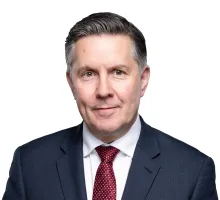
TOM STEINFORT, HOST: The safety of Australian politicians will be front and centre in parliament today. The Government hoping to fast track a raft of measures that will bolster security following that disturbing attack on Indi MP, Dr Helen Haines. For more on this, I'm joined by Health Minister Mark Butler in Canberra.
Minister, appreciate your time. Parliament's going to pause today to offer words of support for Dr Haines and her family. And then, as I said, we're then focusing on security measures. What would you want to see come into play on that front?
MARK BUTLER, MINISTER FOR HEALTH AND AGEING, MINISTER FOR DISABILITY AND THE NDIS: Tom, you're right. There will be Question Time today, but the Prime Minister will move a motion to suspend all other business for the day so that fellow MPs who know and love Helen very well can talk about and send her and her family messages of support. It's going to be a tough day as we face the vivid reality of a chamber without Helen in her seat. And so doing that is the right thing to do. But you're right to say that we'll move on then to a discussion over the course of this week about what else we can do to keep, not just MPs, but their family and their staff safe while they're doing their job as well.
STEINFORT: I know that a number of MPs, including Catherine King, have come forward and said that they've already made changes to their security. Have you made changes to your security in the wake of what's happened?
BUTLER: Not in the past week, but I think what Catherine was saying really was the degree to which things have changed dramatically over recent years. This is not just an issue for MPs and staff. This is also an issue for a range of other frontline workers. In the health sector, for which I have responsibility, we see far too many cases of people threatening, and in some cases, assaulting frontline health workers. We've had to put in place additional security arrangements at hospitals. We've had to put in place community information campaigns to discourage that sort of behaviour towards hard-working frontline health workers. This is a broad community issue that this horrific attack on Helen has brought to the fore for Australia.
STEINFORT: Moving on elsewhere, and Labor looks like it's set to lose its 12-year grip on power in Victorian politics at the upcoming election. Some new pretty grim polling coming out there about the state of the party in Victoria. How worried are you more broadly about Labor being on the nose in Victoria?
BUTLER: The campaign hasn't even started yet, although there has been a bit of a phoney campaign, if you like, as there often is nowadays. There's five or six weeks still for the leaders of the major parties to put their visions for their really important state of Victoria before the Victorian people. I don't think you can say before the campaign has even started that one poll indicates where this is going. But look, after 12 years of Government, these campaigns are always very difficult for the incumbent.
STEINFORT: I mean, it's not just one poll. There's a series of polls pointing to the fact that the Labor government there is on the nose.
BUTLER: There is, but the campaign will really focus the minds of the Victorian people, and I’m sure Ben Carroll will put a really compelling vision for his state before the Victorian people.
STEINFORT: He's got a task ahead of him, that's for sure. This morning you're announcing an expansion to a 12 month pharmacy trial for women. Can you just take us through what that is and the difference that you're hoping it makes?
BUTLER: This is part of our very big program to improve choice and lower the cost of women’s healthcare for Australia’s women. What this will do in particular is when women need medicines urgently, for example, because they have an uncomplicated UTI that requires medicines within 24 hours, or they are running the risk of an interruption to their contraception, they can go to their trusted local pharmacy, have a consultation with that pharmacist, which the Commonwealth will pay for, and access that medicine at PBS prices. This is going to be a terrific improvement to access and affordability for Australia's women.
STEINFORT: Yeah, a great initiative, and appreciate your time joining us to explain it all this morning, Health Minister Mark Butler. Thank you.
BUTLER: Thanks, Tom.
Media event date:
Date published:
Media type:
Transcript
Audience:
General public
Minister: