
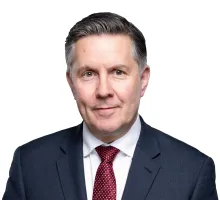
NATALIE BARR, HOST: More than 160,000 NDIS participants are set to be kicked off the scheme under a sweeping new overhaul seeking to bring spending costs down by $35 billion. That's by 2030. New spending will be cut to just two per cent a year with a ceiling of around 600,000 participants, including a reassessment of everyone currently on the scheme against new eligibility criteria. The Health, Disability, and Ageing Minister Mark Butler joins us live in Canberra. Good morning to you. We have known about these rorts for years, haven't we? Just a few months ago we covered the story of teen criminals in Victoria being flown to the Gold Coast for a holiday funded by the NDIS. Why has it taken so long to rein in this spending?
MARK BUTLER, MINISTER FOR HEALTH AND AGEING, MINISTER FOR DISABILITY AND THE NDIS: On fraud we've been working very hard over the last several years. There are more prosecutions, there are more providers being kicked off the scheme, unable to provide and bill the scheme. We're now checking every day more claims than four years ago were checked in an entire year. We're making progress. But what I tried to do yesterday was really sound the alarm that the future of the NDIS I think, is really at stake here. We've not been able to get those costs under control. There are people on the scheme who weren't intended to be on the scheme with relatively low to moderate support needs, and they're on the scheme because there's nothing else for them out there. What I said yesterday and what I say today again is I wish I could say no change is required or no significant change but the truth is if we don't reset this scheme its future is at risk and it won't be there in years to come for people with disability. This is an enormous achievement Australia has made. Now we have to do the hard work to secure its future.
BARR: Yep, and they are deep cuts too. The Queensland's Minister for Disability Services says if the NDIS is runaway train, you have just, quote, “decoupled the carriages and sent them to the states”. The states do not sound prepared for this massive responsibility coming their way, are they?
BUTLER: This is something that state premiers and the Prime Minister have been talking about since 2023. Way back then, we allocated $10 billion together to build those local supports up for people who won't end up on the NDIS. Right now, we're doing that work for Thriving Kids, for kids under nine, but we're going to have to continue that work for the rest of the population. I had a really good meeting with the disability ministers yesterday. I think all state governments, territories and the Commonwealth recognise this is a shared responsibility. Yes, there'll be a bit of politics, but I think your viewers, the community, Nat, just want governments now to get on with it. They recognise the NDIS this great achievement, has gone off track, and I think they expect governments to work together. We're not trying to duck shove this to states. We recognise this needs to be done in partnership with them and with the disability community.
BARR: So the Australian Criminal Intelligence Commission says crime within the NDIS has become systemic. Organised crime gangs are using this to make money. How are you going to weed them out, every single criminal?
BUTLER: You're right to say that some of this, some of what your viewers will see is really small-time crooks sort of making a bit of money out of the NDIS people frankly who don't have qualifications billing the NDIS, but at the other end of the spectrum you've got very serious organised crime now attracted to this honeypot. The first thing we will do is introduce a digital payment system. Anyone who wants to receive money from the NDIS will have to be on a digital payment system that gives us a line of sight as to where the account is and who it's owned by. Right now, 600,000 claims every day are being processed by the NDIS without evidence of the merit of the claim in the first place or who the money is going to end up going to. That's got to stop.
BARR: Yeah, which is incredible we got here but thank you very much for joining us Mark Butler. We'll check in and see how it's going.
BUTLER: Thanks Nat.
Media event date:
Date published:
Media type:
Transcript
Audience:
General public
Minister: