NATALIE BARR, HOST: The Energy Minister has warned to, quote, “prepare for the worst”, unquote, amid our fuel crisis with supply uncertain after mid-April due to the Iran war. Chris Bowen will meet his state counterparts today to discuss the situation in the Middle East and how it will impact prices and supply. As a top economist says, the government should start advising the public to work from home where possible, reconsider road trips and to use public transport more often.
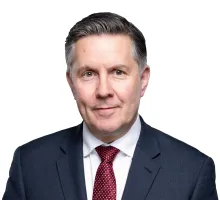
For more, we are joined by Health Minister Mark Butler and Deputy Opposition Leader Jane Hume. Good morning to both of you. Mark, prepare for the worst, it does not sound good. What does the worst-case scenario look like come mid-April?
MARK BUTLER, MINISTER FOR HEALTH AND AGEING, MINISTER FOR DISABILITY AND THE NDIS: I think the point that Chris Bowen was making is that all of the ships that were due to arrive in Australia and supply fuel have arrived since the conflict began. And for the rest of March and into April, there are a range of ships that are on the ocean, if you like, on their way to Australia, they're scheduled to arrive as they were contracted to. But beyond that no one anywhere in the world really can predict exactly the position that the world is going to be in terms of fuel supply. That's the point Chris was making, we're monitoring this every single day. National Cabinet yesterday had a very constructive meeting with a lot of common purpose and every jurisdiction now has one person nominated to this fuel task force to make sure that we can monitor and plan our fuel supply, not just how much we have but where it goes. That will be a really important message for regional Australia, particularly as we're rolling out 500 million litres, so half a billion litres, from our fuel reserves. We want to make sure that gets to the right place.
BARR: But Mark, it's kind of not, though, is it, Mark? We have the biggest state in this country, New South Wales, where 80 petrol stations are without diesel, 40 are without fuel at all. Something is going wrong. We keep being told that all the ships are arriving, but people aren't getting fuel and it's getting worse. Where's the hiccup?
BUTLER: It's in distribution. It's making sure that where there has been a big spike in demand, particularly outside our major cities, that is fixed up quickly. That was the purpose really of this taskforce being pulled together. We know that there are regional communities that are crying out for fuel because their service stations have been emptied and they haven't been -
BARR: But for three weeks they have, though.
BUTLER: That's right, and they haven't been replenished. And that really is the purpose of this work between jurisdictions. But we also saw yesterday the Consumer Watchdog announce an investigation into the four biggest fuel suppliers, the big global fuel suppliers, really around complaints about whether they were being fair dinkum with some of the independent retailers, particularly that are important in those regional markets. We're concerned there are a number of things happening here around distribution and we're determined to fix it.
BARR: Jane, we've been sitting here for three weeks. People have been texting our phones saying this is happening. It's really hard to believe that three weeks in, this is getting investigated.
SENATOR JANE HUME: I'm not really sure Australians have a lot of confidence in Chris Bowen. Let's face it, this is Mr $275 off your power bills, who first of all, just a couple of weeks ago, said there was no crisis at all. Then 24 hours later, blamed consumers for taking too much petrol, using too much fuel. Then 24 hours after that said, yes, there is a national crisis.
Now, the Coalition are very pleased that a National Cabinet was finally called, and this fuel czar has been appointed. But the fuel czar would be entirely unnecessary if Chris Bowen was doing his job from day one. I reckon the first thing that Chris Bowen could do here is potentially quit his job over in the UN, putting together climate change conferences and negotiations, because we need a full-time energy minister on the job. There's plenty of things that this fuel czar needs to do. We need to secure the supplies, certainly make sure that the distribution networks are working in every state not just New South Wales, making sure that fuel's getting to the regions. It's not just fuel, it's fertiliser as well. It's things like bitumen. There's also other fuel-dependent commodities that we're going to have supply issues around.
We need to make sure that the ACCC has the teeth that it needs, the legislative teeth that it needs to do the job that it needs to do, and that those fuel standards that have been lowered are maintained in order to make sure that Australians can get the fuel that they need. There's more that needs to be done. Chris Bowen simply isn't doing enough.
BARR: Yeah. Mark, fuel's not the only thing that's going through that Hormuz Strait. As Jane said, there's an additive in diesel that everyone needs. There are chemicals that usually come through there. Fertiliser, talk to the farmers in this country that either can't get fertiliser or the cost of it has skyrocketed and they virtually can't afford it. The Financial Review today is reporting that one of Australia's biggest crude suppliers is warning that our fuel imports are at risk. So are we at the real pointy end here? No wonder people are panicking.
BUTLER: I think all of the world economies are watching very closely how long this is going to go on for. You're right to say it's not just about the flow of oil, it is also an important source of supply for fertiliser as well and there are going to be a whole range of other downstream impacts in the global economy. And I think that's the point that the National Cabinet was making yesterday, that we need to plan for all of these scenarios. Ultimately, these scenarios are not within the control of Australia or any other country in Asia. This is a war being fought out between the US, Israel and Iran, and quite when it ends is ultimately a matter for those three countries. Our job as governments, all governments, is to plan for all of the scenarios we think are possible over the coming weeks and months.
BARR: Jane, do you think it is a case of people hoarding? We have seen pictures of people hoarding all around the country, filling massive big tanks, trying to protect themselves, and that has really been the crisis point here.
HUME: When people see prices going up, they do what's instinctive, which is to try and take advantage of prices when they're lower. This wouldn't be as big a problem if we didn't already have a cost-of-living crisis in Australia. When Michele Bullock at the RBA raised interest rates earlier this week, she specifically said it wasn't in response to increased fuel prices, it was in response to inflation that had been running out of control for too long. If Australians are already doing it tough, they're going to do what comes naturally. You cannot blame consumers for this crisis.
BARR: Okay, that meeting later today. Thank you very much. We'll see you next week.