
NATALIE BARR, HOST: Calls are growing this morning for weight loss drugs to be added to the PBS. It comes as doctors say they are being left in impossible positions, unable to prescribe the medication to those that need it most because of the hefty price tag. Weight loss drugs can cost as much as $600 a month, that's $150 every week, a cost many can't afford without government support. Experts are now pushing to have those costs lowered so more Aussies can have access to drugs like Ozempic.
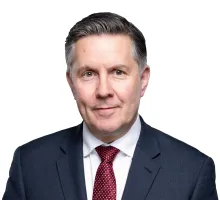
For more, we're joined by Health Minister Mark Butler. Good morning to you. How close are we to seeing weight loss drugs on the PBS?
MARK BUTLER, MINISTER FOR HEALTH AND AGEING, MINISTER FOR DISABILITY AND THE NDIS: The first thing to say, Nat, is this is a revolutionary class of drugs, and I certainly want to see them on the PBS so that Australians have access to them in an equitable way. As you said, there's a big private market out there for these drugs right now. Maybe 600,000 Australians are accessing that private market, but they have to pay $5000 or $6000 a year potentially, so it's way out of reach of far too many Australians. How do we get them onto the PBS and make them available to people on an equitable basis is really the question that we are working through right now. There’s been a recommendation from the medicines experts that oversee our PBS for a relatively limited listing for weight loss, so for people with a body mass index or BMI of 35 or higher and some established cardiovascular disease, so certainly not a population-wide listing. My department has been working with the company to try and agree a price that they're willing to receive and we're willing to pay on behalf of taxpayers and we haven't been able to agree that price yet. We've got to get there, Nat. This is too important a class of drugs not to have on the PBS. I've made that clear to the two companies that have these drugs in the market and to my department, we've got to get there one way or the other.
BARR: Because when a doctor says there is no condition today where we allow someone to get so sick they cannot get out of bed for which we wouldn't offer treatment. We even do operations for reflux. So are you saying the drug companies are holding out and want to charge the government too much money?
BUTLER: We haven't agreed a price yet, I think, is the main barrier to getting that first listing onto the PBS. These drugs are listed for diabetes, but for weight loss per se, we haven't yet agreed a price there. There's a lot of price pressure in the global medicines market because of some policy decisions that the US administration has taken. That's, frankly, impacting a whole range of drug areas, and I think you and I have talked about some of them in areas like multiple sclerosis, breast cancer and such like. This new class of drugs must be put onto the PBS. There are too many benefits for too many Australians to have it available only to those who are able to find $5000 or $6000 a year for it. There's hard work ahead of us, but I've made my position clear on behalf of the government and on behalf of Australians that this drug must be on the PBS at some point.
BARR: Okay, but the price has to come down from the drug companies by the sound of it. Moving on, new figures this morning show bulk billing is on the up. How do you plan on hitting your target of 90 per cent by 2030?
BUTLER: We're well ahead of that, Nat, and that's the good news out of the numbers this morning. It shows that this year there will be literally millions and millions of additional free visits to the doctor, and that's obviously good for people's hip pocket. Also, as doctors are telling me time and time again, it means that people are going to the doctor or going back to the doctor when they need to rather than when they feel they can find the $50 or $60 to pay a gap fee. Really importantly, these numbers show that not only are pensioners now seeing their bulk billing rates well over 90 per cent again. People who don't have that concession card have seen their bulk billing rates climb dramatically by more than 10 per cent just since last October. But in some parts of the country, like the Illawarra, the Northern Territory, northern Tasmania, Bendigo, were seeing huge increases of 20 per cent or even 30 per cent in just a relatively short period of time. Turning around bulk billing is not just a great cost-of-living measure because it means people aren't shelling out that money. We know it is leading to better health and building a healthier Australia.
BARR: Okay. Mark Butler, thank you for your time.
BUTLER: Thanks, Nat.
Media event date:
Date published:
Media type:
Transcript
Audience:
General public
Minister: