
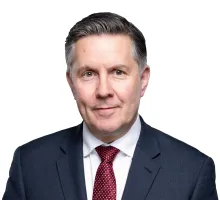
JAMES GLENDAY, HOST: Now, Government frontbencher and Health Minister Mark Butler joins us now from Adelaide to discuss some of the top stories this morning. Mark, welcome back to the program.
MARK BUTLER, MINISTER FOR HEALTH AND AGEING, MINISTER FOR DISABILITY AND THE NDIS: Thank you, James.
GLENDAY: Now, I’m not sure if you were listening to our previous interview, but to state the obvious, there are a lot of really traumatised people in Bondi this morning, and that's likely to remain the case for some time. What extra help are you providing?
BUTLER: You're right, the trauma, the distress, particularly in Bondi and those eastern suburbs of Sydney, is profound, but it's reverberating right through the country. Families will put their arms around each other, communities doing the same with that extraordinary paddle out we're seeing at Bondi this morning. But we do need formal mental health supports, and that's a package I've announced this morning. It's a package that's very comprehensive. Obviously, it particularly targets supports to Jewish Australians in Sydney, but also beyond. We've seen the crisis support lines that your viewers would be familiar with, like Lifeline and Kids Helpline and many others, see really unprecedented demand over the last several days. So surge funding for them, for the Black Dog Institute that looks after first responders.
Tragically, James, we have a lot of experience at putting mental health support in place in the wake of disasters. We've also looked carefully at the New Zealand response to the Christchurch massacre to make sure that our response particularly takes account for the nature of the disaster, the horrific terror attack we saw on Sunday night. And, of course, we stand ready to do more over time because we know that the mental health impacts of something like this endure for potentially years, and those supports need to be in place for the long term.
GLENDAY: This is a time of year, of course, when a lot of people take holidays, and we already know there is a shortage of specialised medical staff. Are you going to have enough psychologists to implement this? Do you have to bring people in from other parts of the country?
BUTLER: We're working very closely with New South Wales Health, who stood up a response very quickly. We've had mental health nurses and psychologists on site at the mental health hub on the Bondi Esplanade since earlier this week. We're formalising those supports over the course of today and spreading that through a range of organisations your viewers would be familiar with, but we're determined to do that. Mental health workers, whether they're nurses or psychologists or medical staff, tend to come to these disasters because they recognise how crucial their support is for our community.
GLENDAY: Just before we move on to other issues, I do just want to remind our viewers that you can contact Lifeline on 13-11-14. Beyond Blue, you can use the website. There you go. There are the numbers. There are the addresses as well. I think Lifeline had the busiest day on Monday with more than 4300 calls for the year.
Just on another issue, Minister, the Prime Minister says he wants to crack down on anti-Semitism. He announced some changes yesterday. Is he likely to recall parliament before February? Understanding that, obviously, it's only been four, now five days since the attack and some of these changes are still being drafted.
BUTLER: He said yesterday he's very much open to that. We want to see these laws passed through the Parliament as quickly as possible. They're complex laws. Governments of both political persuasions for years have been trying to draft laws that capture the hate speech that we've seen emanating from so many of these preachers and leaders. That really is the focus of this legislation. We want support from the Opposition.
We want the laws to work, because the lawyers advising these organisations have ensured that the preachers are able to get right to the legal limits of speech circumscribed by the laws that exist today, and that hasn't been good enough. That's why yesterday the Prime Minister announced the toughest laws against hate speech ever. Targeting those preachers, targeting the organisations that employ them, if appropriate, if possible, kicking them out of the country if they're not complying with them, because we are determined to stamp out this hatred from where it begins, and that is through hate speech.
GLENDAY: Will certain phrases that are deemed anti-Semitic be outlawed under these changes?
BUTLER: As Tony Burke, the Minister for Home Affairs said, that is the careful work that's being done over the course of the Christmas and New Year period. We're going to have people working very hard to make sure we get the laws right. We'll carefully consider some of those phrases that far too often have been used over the course of the past two years, in particular. Just awful, hateful phrases that when you look at them and analyse them, essentially mean death. We'll be looking at that very carefully because governments for so long now have tried to get these laws right. They've been challenged in courts and they obviously haven't worked because these preachers are still in those areas, still in those organisations, preaching hatred and doing it with legal impunity, and that's got to stop.
GLENDAY: Finally, Minister, this grief is still so incredibly fresh. fresh. A lot of meetings are taking place with survivors and victims in private, which is understandable. Is the Prime Minister going to visit the Bondi site again?
BUTLER: I can't talk about the Prime Minister's diary. He's been working non-stop since Sunday night, including Sunday night, talking with families, talking with first responders and health workers and obviously working with authorities to make sure, moving forward, we get these things right as quickly as possible.
GLENDAY: Health Minister Mark Butler, we do appreciate your time on the show this morning.
BUTLER: Thanks, James.
Media event date:
Date published:
Media type:
Transcript
Audience:
General public
Minister: