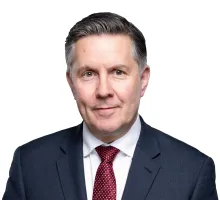
JAMES GLENDAY, HOST: But before that happens, let’s get some more on those major changes for 1 July, and bring in the Health Minister, Mark Butler. Mark, welcome back to our show.
MARK BUTLER, MINISTER FOR HEALTH AND AGEING, MINISTER FOR DISABILITY AND THE NDIS: Thanks James.
GLENDAY: Look, we’ve seen the biggest decline, as we just mentioned, in home values in more than three years, is this good news, do you think?
BUTLER: House prices will jump around a bit. There's obviously a lot of things that impact that. We saw earlier in the year a bit of a softening in house prices and clearance rates as interest rates were raised by the RBA. But really significantly as well, you saw the biggest hit to consumer confidence in 50 years as the war in Iran started and people became very concerned about the inflationary impact of that. So there's a lot happening in the housing market. The Treasury has been really, really clear about this. House prices will continue to grow in Australia. They'll grow a little bit more softly than otherwise would have happened if we hadn't made the tax changes we have. But really the big thing I think that's happening out at auctions on Saturday afternoons is first home buyers are getting a crack, a fair crack for the first time in a long time. They're bidding against each other for houses rather than bidding against investors that have the benefit of a tax break. And that's exactly what we were seeking to achieve.
GLENDAY: Is there a chance that Treasury got this wrong? I mean, they've been wrong pretty regularly about things. They're just forecasts. Are we seeing real world evidence that the effect might be bigger than you thought?
BUTLER: You've got to wait more than a few weeks. And as I said there's a lot happening in the economy, in the housing market, much of it as a result of global factors as we've seen now for a few years. I'm very confident that Treasury's forecasts are well based, they've thought about it very carefully. The history of house prices in Australia is one of growth, And it doesn't mean there won't be a week here or a week there that you get particular numbers, but we're very confident in Treasury's forecasts. House prices, house values for existing owners will continue to grow, they'll just grow a little bit more softly for a period than otherwise would have happened.
GLENDAY: There are a lot of changes coming in today, including in your portfolio. What sort of things are people going to notice when they go to visit the doctor next?
BUTLER: First of all, it is a big day for cost of living relief. Millions of people get a big pay rise if you're on low award wages or particularly if you're on the minimum wage. And as you said, every worker gets a tax cut from today as well. There's a range of other things. We're extending fuel tax relief for another month. We know that's a big issue for household budgets. We're extending parental leave so new parents can spend now six months with their precious new baby, knowing that the bills will be covered. But we're also doing more to strengthen Medicare and make medicines cheaper. We're locking in urgent care clinics, which have been a terrific support for millions of Australians, completely free of charge. They're going to become a permanent feature now of our healthcare system. There's more support for women going through menopause or perimenopause. And it's a bumper month for the PBS with 10 new medicines listed on the PBS which are going to change and in some cases save the lives of tens of thousands of Australians. Comprehensively briefed for your laundry list of things that are changing today.
BUTLER: It's a big day, James. It's a big day.
GLENDAY: You're a proud South Australian. For a long time in your state there have been concerns about the future of giant cuttlefish. Now, swimming and diving is going to be banned for three months this year. Do you have a view on this? Is this enough to protect this species?
BUTLER: I'll leave that conclusion to experts. As Emma sitting with you on the couch would know as a fellow South Australian, we're really proud of this. This is a globally unique phenomenon we have. The biggest cuttlefish in the world come to mate near Whyalla in the Upper Spencer Gulf, which environmentally is just an amazing thing, but also for tourism has been extraordinary as well. But the numbers this year appear to be really small and everyone's worried about that. The people of Whyalla, the tour operators more than anyone else, they don't want to get out there and do anything that's dangerous for this population. So they know that we need to be very careful and give mother nature the best possible chance of being resilient.
I think there's a bit of a debate about what is happening there, whether it's the temperature of the water or whether there's a lingering effect of the algal bloom. We'll let that debate play out, obviously take the advice of the experts. But I think the government here and the community at Whyalla has done the right thing to take this precautionary approach. Let’s see how the numbers go over coming weeks, but in the meantime if they are low let's give nature every possible chance to recover.
GLENDAY: You are right, the South Australians on this show are very proud of these cuttlefish, Minister. Just before we let you go, we normally ignore speculation about future prime ministers, but why do you think there's been so much chatter and even a couple of media reports that you could be next in line when Anthony Albanese has had enough?
BUTLER: I frankly have no idea, James. It's all a bit befuddling.
GLENDAY: Even some of your colleagues are talking about this, saying, well, you're from the left, you're from South Australia. I don't think we've ever had a South Australian Prime Minister who was at least representing a lower house seat in the state.
BUTLER: We're only a year into a term where our Prime Minister Anthony Albanese won a really significant victory with a really big agenda that we're all working together to deliver in incredibly tough times, like around the world, households, businesses have been pummelling by wave after wave of pressure from COVID to the war in Ukraine, now to the war in Iran, and our job as a team that has the privilege of governing this country is to work together under a leader in Anthony Albanese that I feel privileged to support.
GLENDAY: Maybe it's just mischief making then. Minister, we always appreciate your time on this show.
BUTLER: Thanks, James.
Media event date:
Date published:
Media type:
Transcript
Audience:
General public
Minister: