
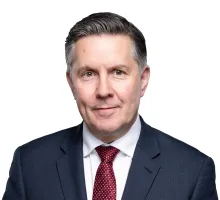
SALLY SARA, HOST: Turning to the government now, Mark Butler is the Minister for Health and Ageing, Disability, and the NDIS and joins me in the studio. Minister, welcome back.
MARK BUTLER, MINISTER FOR HEALTH AND AGEING, MINISTER FOR DISABILITY AND THE NDIS: Thank you, Sally.
SARA: Parliamentarians and their staff have been grappling with safety concerns in the wake of the injuries to Helen Haines. In your view, does something need to change?
BUTLER: I think probably yes. I think this is a really good opportunity this week, given the depth of the discussions that have been taking place among MPs, but also with Federal Police and other security agencies about what more we can do to keep MPs, their family, their staff safe from what is clearly a very significant increase in physical threats, and do that in a way that allows MPs to continue doing their job in the way I think Australians really, really cherish, which is pretty accessible, pretty open, in a way that's not seen really in any other country I can think of.
SARA: Has it changed much in your time?
BUTLER: Yeah, it's changed dramatically in my time. I've been here for almost 20 years, and security has changed. The Federal Police, in my experience, have been very, very responsive to our requests when there are threats or the possibility of me going to an event. But just the number and the nature of threats of violence and death, not just to MPs, but to their children, and to their partners and to their staff, is like nothing we saw 20 years ago.
SARA: The Nine papers are reporting the government will consider security upgrades for parliamentarians at a cabinet meeting today. In your view, do politicians need more protection?
BUTLER: I think there certainly are some areas, talking to MPs over the last week, where MPs and senators don't feel they get the protection that they need, and we're taking that very seriously. We'll have a very serious, deep discussion about that over the course of this week. But as you say, beginning probably today, and we'll take the advice of the Federal Police and other security agencies about that. But the Federal Police and security agencies like ASIO have been very open for some time now, well before last week, about the threat environment and the nature of and the scale of the threats being made towards MPs, their staff, and their families.
SARA: We heard earlier this morning on Breakfast from independent MP Kate Chaney. She said that she will sign the civility pledge that Helen Haines put her signature on before the attack. Will you be adding your name?
BUTLER: I haven't seen this pledge. I read some reports about that this morning. I'll make sure I have a look for it. I think that's the sort of discussion that will take place over the course of today. As you know, I think we're suspending all parliamentary business today, except for Question Time, which should go ahead as usual, so that the day's debates can be spent really sending messages of love and support to Helen, to her family, to her staff, and to her community. I think, which will be deeply shocked by what happened last week.
SARA: You're listening to Radio National Breakfast. My guest is the Federal Health Minister Mark Butler. Let's turn to your health portfolio now. The Government is announcing an expanded trial, which will allow women to get hormonal contraception and treatment for uncomplicated urinary infections from a pharmacist. The trial, which will run for a year, starting in January, was previously limited to concession card holders only. What's the Government's thinking about expanding it?
BUTLER: We've heard really a message for some years now that women don't feel they get the choice and the access and the affordability for their healthcare that they need. And we've done a lot of work over the last few years to put more medicines onto the PBS, to introduce Medicare entitlements for people, for women to get better care from their doctors. And this latest chapter really deals with a situation where women are often in a situation where they need a medicine urgently for a UTI, for urinary tract infection, within 24 hours, and if they can't get to their GP in that time, things can get very, very serious. Being able to access your local pharmacist, provided that pharmacist has undertaking some additional training, we think will improve access, but also improve affordability.
SARA: How much will the trial cost the Government?
BUTLER: Some tens of millions. It's not a very expensive trial. Only runs for 12 months. We'll be evaluating it very carefully. But what it means is that government will pay for effectively what is a consultation between the woman and her pharmacist, and also ensure that medicines are only charged at the. PBS rate.
SARA: How will the Government measure its success?
BUTLER: We'll look at a range of things. Things like safety and adequacy of the training that pharmacists are undertaking, which is largely determined at a state level. But we also want to know what it does to improve access and affordability. It will be quite a serious evaluation. And at the end of that 12 months, so into 2028, we'll think about what happens over the course of the future.
SARA: Just finally, this week the government is pushing ahead with its Digital Duty of Care Bill. Are you open to more changes, like bigger penalties for tech companies, for example, or making the option to turn off the algorithm more prominent?
BUTLER: For Australia, and we recognise we don't have a majority in the Senate, so we're open to sensible suggestions from any group in the Senate who is willing to have that negotiation with Anika and look at a passage of this really important legislation over the course of the rest of this year.
SARA: Mark Butler, thank you for coming in this morning.
BUTLER: Thank you, Sally.
SARA: Mark Butler is the Federal Minister for Health, Ageing, Disability, and the NDIS, my guest in our Parliament House studio this morning as Parliament returns.
Media event date:
Date published:
Media type:
Transcript
Audience:
General public
Minister: