LORETTA RYAN, HOST: Now whether it’s reaching for the cough medicine or sitting down with your daily dose of pills, we all need medicines at some point in our lives.
CRAIG ZONCA, HOST: This is an insight into what happens around your kitchen table? This is the time of day, isn't it? You've had breakfast and then it's like, okay, get the tablets out, love.
RYAN: It's true, though, because I watched, well, Dad, and Mum still now, today, she's got this little bucket of pills, and sometimes they get those packs from the chemists as well.
ZONCA: Yeah, Webster packs, I think they're called.
RYAN: That’s right, yeah. But how we use and understand medicines is changing and it's evolving all the time and so is the role of pharmacists and the role they're going to play in future healthcare.
ZONCA: Yeah, you were telling me there's a big conference happening in Brisbane.
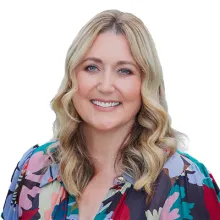
RYAN: There is. Across the road at the Convention Centre, pharmacy leaders and researchers from around the country looking at their role, and giving the keynote address at the conference is Federal Assistant Minister for Mental Health and Suicide Prevention, Emma McBride. She's dropped into the studio first to have a practice run, I don't know, with us. Hello, Emma.
ASSISTANT MINISTER EMMA MCBRIDE: Good to be with you, Loretta.
RYAN: How important is this conference?
MCBRIDE: It's absolutely vital. this is the 50th Medicines Management Conference, where pharmacists from across the state and around the country come to discuss issues that are facing Australians in our healthcare system today, and a big part of that is as medicines evolve and treatments advance, to make sure that everybody can have access to them affordably and in their own communities.
ZONCA: How much pressure is there on the PBS right now?
MCBRIDE: This is a major investment from the Commonwealth to make sure that medicines are listed and that they're affordable to Australians. When we came to government, general PBS prescriptions cost $42.50. We reduced that to $30 and after the last election to $25. To put that into perspective, that's the cost that PBS scripts were in 2004, very early in my pharmacy career, because when we came to government, a million people were delaying or avoiding having a script filled because of cost, which is a big impact on their health, care system.
RYAN: Well, we're hearing that still now because of the cost of living. That delaying is still happening. So are we going to see anything better in the future?
MCBRIDE: Well, what we've seen already is now savings of more than $3.1 billion to Australians in being able to afford their medicines. We've also reduced the number of scripts that someone has to fill, for example, an older person who has multiple medications in a blister pack or a Dosette box, we've reduced the number of scripts to 36 to be able to reach the Safety Net Card. That means Australians will reach their safety net soon which means their scripts are then free.
RYAN: Yeah.
MCBRIDE: We've also reduced the cost of scripts, we've reduced the number to get your safety net, we've also introduced 60-day dispensing. This is a comprehensive list of initiatives and real reforms that are making medicines more accessible and affordable, but of course there's always more to do.
ZONCA: As you mentioned, you're a pharmacist by trade. Interested in your thoughts around a bit more of a push for pharmacists to be able to prescribe medications. There have been different trials and that delivery of vaccines has become a big part of that business model now too. Where do you stand on that greater ability to prescribe medications, Emma McBride?
MCBRIDE: I think when we look at the demand on our healthcare system today, particularly making health services available closer to home. There are 6,000 community pharmacies across the country, and to know that now somebody can walk in, often without an appointment, and have a vaccination, or opportunistically have a vaccination if they're talking to the pharmacist about their healthcare needs or the healthcare needs of their family. Importantly, I think it needs to be part of a whole multidisciplinary approach, an integrated system of care. There is definitely a role for all healthcare professionals to work to the top of their skills and training that we can make sure that health care is accessible and affordable to more Australians.
RYAN: Because is there still some- a bit of angst with GPs and pharmacists? Because GPs don't really, or didn't really want that role of pharmacists to take that bigger role along with medicines.
MCBRIDE: Well, we've seen already nurse prescribers. I've helped accredit and worked along nurse prescribers. With the right kind of training and accreditation, that this can be done safely. But as I mentioned, always part of a multidisciplinary team. So that the GP is aware of what has been prescribed, that it's done in consultation.
ZONCA: Emma McBride, Federal Minister for Mental Health and Suicide Prevention, is in studio this morning. Oh, we were talking about the collective noun…
RYAN: [Talks over] Oh, yes, that's right.
ZONCA: … for pharmacists too.
RYAN: You might be able to use this today in your keynote speech.
MCBRIDE: Well, let's see. What have we got?
ZONCA: Gary says a dose. That's not too bad.
MCBRIDE: Oh, that is pretty good, Gary.
RYAN: Yeah, and we went through, a group of pharmacists, a blister pack from Trish?
ZONCA: Yeah, I like that.
RYAN: What was the other one?
ZONCA: A compound of chemists.
MCBRIDE: Oh, I might use that one.
ZONCA: It's not too bad either.
RYAN: I like blister pack too.
ZONCA: It's a quarter to seven here on 612 ABC Brisbane. Obviously this week, if you look at the federal political sphere, Emma McBride, it has been all about Helen Haines and the attack that, as a local MP, she suffered in the main street of her town in Wangaratta, still in hospital. She's lost both her legs. You're in politics. And particularly we've heard of threats made to female politicians. Can you reflect on the events of this week and what it's, I guess, meant to you, the discussion that's been prompted since?
MCBRIDE: Yeah, I'm just devastated. I know Helen personally. Helen is a nurse and midwife. She worked for more than 35 years in regional Victorian hospitals, starting out in Wangaratta. She's also an expert in public health and a PhD. And Helen is someone who is beloved in her community and respected across the parliament. And someone who always acts with grace, with dignity, and works collaboratively. I am just devastated by what's happened to Helen. I give my thoughts, as we all do, to Helen, to Philip, to their family for her recovery. I have noticed in my 10 years in parliament a noticeable shift in the way that, online and offline, the anger and aggression in the community. And the Prime Minister has asked for the temperature to be dialled back and I think it's something that needs to happen especially now that we have seen tragic consequences.
RYAN: Have you been subjected to that anger yourself?
MCBRIDE: All MPs have been subject to that anger. And, Craig, to your point, Helen was doing something that we all do every day. She'd been to a community event, a sod turning. She was back at her electorate office unloading things from her car, something we all do and everybody should be safe in their workplace and everybody should feel safe representing their community. And it's something that I think has given a lot of pause. But sadly, it's not something that we were surprised to see with this increase in threats towards MPs, as Minister Tony Burke has spoken about, AFP Commissioner Krissie Barrett has spoken about. This increase in threats, the increase in frequency of threats, the increase in severity of threats, whether they're death threats or rape threats is just so distressing to see because we want to have an Australia where, Loretta, you can talk to your local MP at South Bank, someone can be at a local community fair or fair or sports ground and hear from people because that's central to our democracy. Alot of my colleagues at the same time as feeling overwhelmed and devastated feel resolute because they want to uphold the principles of our democracy and that's something that we're all responsible for across the community.
RYAN: Assistant Minister for Mental Health and Suicide Emma McBride is with you. Emma, also the other thing this has brought up is the way we deal with mental health and I see there's a meeting of mental health ministers that we're failing when it comes to helping people with mental health issues?
MCBRIDE: Loretta there will always be more to do. People with mental health are more likely to be a victim of a crime than a perpetrator of a crime. And I worked in acute mental health inpatient units for many years and I saw people where distress escalated to crisis simply because there wasn't the support that they needed in the community. It's one of the reasons why we have invested more than $1.1 billion to increase access to free support services where people can walk in without an appointment so they can get help sooner. It's also why we're working so determinedly with the states and territories help them to be able to have the resources that they need to be able to support people. And it's something that we're all determined to do. And I'll be joining that meeting later today.
RYAN: What's likely then to come out of that meeting? What do they want to deal with?
MCBRIDE: We have a current mental health and suicide prevention agreement and bilaterals with states and territories and we want to make sure that we strengthen the work that we're doing collectively. This year alone the Commonwealth is investing about seven to eight billion dollars in mental health and suicide prevention. We're launching, as I mentioned, free walk-in support services but we need to make sure this is a joined-up approach, that there’s a continuity of care, that that support is available sooner, and that people in distress get the care that they need.
RYAN: Yeah, all sides of politics agreeing on this one.
ZONCA: Emma McBride, really appreciate your time this morning. Thanks so much.
MCBRIDE: Good to be with you.