
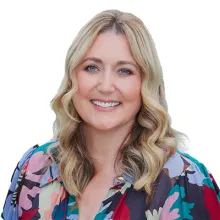
JEREMY JONES, HOST: Well, Medicare Mental Health Care Centres are being rolled out around regional Queensland. There’s going to be centres in Mackay, in Gladstone as well and Rockhampton. Emma McBride is the Assistant Minister or Mental Health and Suicide Prevention, and Assistant Minister for Rural and Regional Health, and has an update on the service. Good morning to you, Assistant Minister. What do these centres do?
ASSISTANT MINISTER EMMA MCBRIDE: Jeremy, I'm so pleased to be back in Rockhampton. These centres are making such a big difference in regional Queensland. The centres that I opened early last year have now seen more than 4500 occasions of care where local people can walk in without an appointment, without a diagnosis, receive wraparound care all for free.
JONES: And what is the latest on the service in Rockhampton?
MCBRIDE: We've seen more than 2500 occasions of care at Rockhampton provided by a mental health nurse and mental health social worker and peer workers, and I'm delighted to share with your listeners that we're delivering an additional $11.8 million to boost the service to expand the health workforce and the hours that it’s open across the week.
ROB KIDD, HOST: Assistant Minister, how are the centres actually tracking in Mackay and also Gladstone too?
MCBRIDE: So in Gladstone we've seen more than 2000 occasions of care and one of the things that we've noticed about these centres in central Queensland and across the country is that more men are walking into these mental health services, and older people who have typically been harder to reach and have less access to services.
JONES: And if someone's listening this morning, there's a mental health crisis or something going in their family, what are the steps to getting to one of these centres?
MCBRIDE: If someone is in Rockhampton or Gladstone, then they can walk into the service, they don't need to make an appointment and they'll be welcomed by a peer worker, someone who's walked in their shoes and who can provide empathetic and wraparound care. We know that Australia is a vast country and across Queensland there might be people that are a little further away. They can call Medicare Mental Health on 1800 595-212 where they'll be connected with the support that is right for them.
KIDD: Recruiting for nurses seems to be a bit of a challenge in many different ways. Is there training pathways that these clinics open up or are you just actually recruiting from the same pool as the hospitals?
MCBRIDE: There are training pathways and we've invested in a national mental health workforce strategy, an investment in additional places at universities particularly in regional and remote universities. We've introduced paid prac, and also for staff working with our new Medicare Mental Health check-in, our online early intervention service, there's additional training in mental health therapies so that they can provide the most up-to-date quality care to anybody around the country.
KIDD: We're travelling, Jeremy and I are travelling around to the smaller communities this week. We're heading out to Claremont tomorrow. We've been to St Lawrence and Clairview as well. Just to remind people, can the smaller communities, like where we are here, Carmila today, and smaller towns, how can they access the centres?
MCBRIDE: So they can phone Medicare Mental Health on 1800-595-212, where they'll be connected with the service that is most appropriate for them, including online services. They can also go to medicarementalhealth.gov.au, and to look at what services are available that best meet their needs. We're trying to make sure that wherever people live across what is a vast country, that services are available to them. So a $1.1 billion election commitment to expand mental health services, strengthening existing services and uplifting the service in Rockhampton by another $11.8 million. Because as a former mental health worker myself, I know that for too long it's been too hard for people to be able to get the care they need. And we know that early intervention and the right support can give people the best care that they need.
JONES: And changing tack now and understanding this isn't your portfolio but does connect with rural and regional health, we've been hearing here that since people have had to contribute to their aged care, we're hearing about locals who have stopped vital services altogether. They say that applying for hardship support is too hard. Do these processes need to improve?
MCBRIDE: I supported my own father through aged care. As a younger person with young onset Alzheimer's, I know just how hard it can be for people and families in times of distress when they're making decisions about someone's long-term finances and about their care. So what I would encourage people to do is contact their local MP or their senator if they need particular support with a home care package or residential care. And also they can contact OPAN, the Older Persons Advocacy Network, which is a free service that gives independent advice to older people and their families to help them to make the choices that are right for them and in the best interest of their care.
JONES: And moving from old to young, and mental health has been a big focus with the social media ban. School is back. What have you heard from people about the ban?
MCBRIDE: Oh Jeremy, this has been a real barbecue stopper over the summer and I have had lots of young people and families speak to me about this. What we've seen since the ban was introduced on 10 December last year, that more than 4.7 million social media accounts of those under 16 have been deactivated, and I've had a lot of young people talk to me about the difference that has made to them and to their mental health and wellbeing. We know that more than seven in ten young people have seen something online that they shouldn't have. And we also know the big increase in distress amongst younger Australians, contributed to by social media. And this is about social media companies, big tech being responsible for the social harm that they cause.
JONES: Well, Emma McBride, thank you for your time this morning.
MCBRIDE: Good to be with you.
JONES: Minister for Mental Health and Suicide Prevention and Assistant Minister for Rural and Regional Health.