
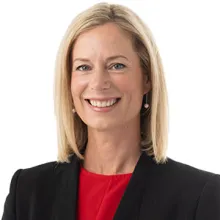
REBECCA WHITE, ASSISTANT MINISTER FOR HEALTH AND AGEING: I’m here with Lonnie and Eddie Bevis today, who are happy to share their story of using parental leave when little Eddie was born. Because we know so many families are making decisions about whether to have a baby, but also weighing up whether or not they should stay in the workforce or take time out of the workforce. The Federal Labor Government helps parents to be able to do both – be able to work and also have a baby with an expansion of the Paid Parental Leave system.
On 1 July this year, we extended the number of weeks that families can use their Paid Parental Leave to 26 weeks. And from 1 July last year, we introduced superannuation being paid on these leave payments. We did this because we know that a lot of women who take time out of the workforce to have a baby were losing out on superannuation and we don’t want women to retire with less income just because they’ve done that.
So, these initiatives are about making sure that we have great opportunities for families to make choices about expanding their family, but also making sure they're not financially worse off. At the end of the day, we want all families to be able to make choices that are in their best interest without worrying about whether or not they can afford to have a baby, and that has been a challenge in the past. So, by extending the amount of weeks to six months for families when they're having a baby it just takes some of that pressure off and makes it more likely that they're going to return to work.
It also enhances the productivity of our economy, reduces some of the stress on businesses because they're not worried about having to go back out to the market to replace somebody who's taking time out to go and have a baby, because it's very likely they're going to return to work. So, this is about supporting business, supporting families, supporting our economy, and most importantly, supporting these little people.
I'm going to ask Lonnie to say a few words.
LONNIE BEVIS: Perfect. Well, I agree. This is a massive win for families. We were fortunate enough when I had Eddie five years ago that my husband was able to have time off with his work, because my work didn't offer maternity leave. And looking back on it, we would have had such a different experience had he not been there to help me. I think for families it's just so important to know that you don't get this time back, and I think that's something that a lot of people unfortunately are afraid that they're going to miss out on. I've had a lot of friends who had to go back to work early because they were financially worried about it. So now knowing that partners can be there and actually be part of the experience with their child and they don't get to miss out, it's such an important thing.
In five years, it's gone from 17 weeks, and now, potentially up to the 22 to 26 weeks for mothers, it is just amazing. I think whether you have it one day a week at the beginning after annual leave if you've got it, or even before you go back to work – my husband had time off when I got to go back to work. And it was the most amazing experience knowing that they had that time, when I wasn't there she was able to create an amazing bond with her dad. But also they would come and meet me after work, and I think that was just such a lovely experience.
And just knowing that my stress levels were so reduced, because that is a massive factor for mothers when we have kids, we're going into a new experience, and knowing that you have to sometimes do it yourself is not what you want. Knowing that you can have that partner with you along the way is going to change things. I just encourage any family that's able to do it, do it while you can. You don't get the time back. And it’s just a fantastic thing that the Labor Government has given us families. And now, knowing that we want to try and have another kid, we're going to have more flexibility and that's just really important to me and to a lot of families.
JOURNALIST: Fantastic. I guess with these changes coming into effect, how much of a difference would it have made if we saw these changes come in sooner? Are you able to talk about what it was like navigating this space before these new changes?
BEVIS: Well, I think knowing, as I mentioned, looking five years ago it was only 17 weeks - knowing that it's increasing as often as it can be at the moment, I think that's a good thing. It's a massive impact for parents because you can know that, unfortunately with kids, the statistics rate for mothers getting post-natal depression in those first few months is quite high. So, I think now knowing that people are starting to listen to mothers, knowing that we do need help and that help is going to be our partners, I think that's a massive impact. And that's good, because that's what we're wanting to look towards, a future.
We’re building a community, we're bringing kids into the world that are one day going to change the world, and it's nice to know that we will have that help in the long run, which is good.
JOURNALIST: How much is going on in your brain around that time, and how much of a relief would it be to have work taken out?
BEVIS: Well look, you're still working when you're a parent, and I think that's the biggest thing. Knowing that super has been brought back in, that's something that I've been talking to people about for years. We are working and knowing that we have been impacted in the long run because we've chosen to take time off, that's unfair. So, I think now knowing, like, that to me, the weeks was a massive one, but the super was a really big one for me because I know I want to try and have another kid, and we did miss out when we had Eddie. So, I think with that, you're always working as a parent and you are always thinking 10 times steps ahead.
Knowing that work isn't there is fantastic. When you do go back to work, it is amazing because you're not talking about baby diapers and you're not talking about how long your kids slept for. So, for me when I went back to work and knowing it was my husband looking after my child that was really important for me, because you do get anxiety going back to work. I didn't have to worry because I knew that Eddie was with her dad and that just made a difference for me knowing that if anything went wrong he knew what to do because he had been there during some of the times when she was growing up, which was good.
So, it's a big impact for dads because they do panic - they don't know how to do things like us sometimes, with any partner, but mothers have that special touch. But it's important to know that the other child's parent can be there to do that because they need to have that bond with their child as well – it can't all just be up to the mother, I think, so it's good. It's a very exciting thing.
JOURNALIST: Awesome. Thanks so much, Lonnie.
BEVIS: That's all right. Thank you.
JOURNALIST: What sort of consultation did the Federal Government do with businesses? And do you think you've got the buy-in from the business community to get on board with this initiative?
WHITE: So, this is a fully federally government funded scheme. This is funded by the Australian Government to support families to have six months with their baby when they're born. There's no cost to small business, it's not expected that they provide Paid Parental Leave. Although I would note that about 70 per cent of Australian businesses do offer some kind of Paid Parental Leave, but that is completely voluntary. So, this is not going to impose any new costs on businesses. This is simply about expanding what the Australian Government is providing for families when they welcome a new baby into the world.
JOURNALIST: Tasmania has a couple of problems that I suspect this might help with. One is we have a low birth rate, and the other is we have a low participation rate. So, how important is policies like this for getting people back into the workforce?
WHITE: So, the scheme's been expanded to six months, but also the rate of pay per week has increased to over $1,000 now. So, we're trying to remove the financial barriers that families might come up against when they're thinking about having a baby. So we want to encourage families to make these choices because it's what's in their best interest, not because they're worried about whether they can afford it financially. And that is also important when thinking about how we grow our population and make sure that we address some of the challenges that we are seeing with population rates across the country.
This policy is also about supporting people to remain engaged in the workforce. We understand that when people are having a baby they can sometimes drop out of the workforce with Paid Parental Leave, paid for by the Australian Government. We are supporting people to return back into the workforce after they've welcomed a baby because they've continued to maintain their engagement with their employer, they're not drawing down on provisions that their employer might have had to have otherwise found, because the Australian Government is fully funding this.
JOURNALIST: How did you come to that six months time frame? Why is that the appropriate amount?
WHITE: So, through the consultation the Australian Government has done over a number of years now, we have always understood that if we can increase the number of weeks that families can have with their babies when they're first welcoming them into the world, it's not only good for the baby and their family but also good for their employer because they're able to more likely to return to work. When we first introduced Paid Parental Leave in Australia it was done by a Labor Government and it's now a Labor Government that's expanded it to 26 weeks.
We've done this for a couple of reasons. It's because we want families to be able to make this choice about whether they have a baby without worrying about it impacting on their work, without it impacting on their finances, but also because we know this is good for business. It's good for them that they don't have to go out and recruit and find new staff. Because it's very likely that these employees are going to return back to the workforce, continue to be productive, and continue to grow our economy.
JOURNALIST: Thanks, Bec.