
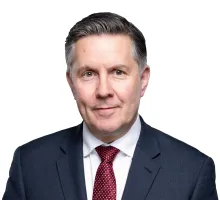
JOEL DRY, HOST: Well, politicians could return to Canberra weeks ahead of schedule, as Anthony Albanese faces sustained pressure to establish a Royal Commission into the Bondi terror attack. To discuss, we're joined by Health Minister Mark Butler, live in Sydney. Minister, a growing number of Labor figures have now signed an open letter urging the PM to reverse his position. Surely now he has to relent to the pressure?
MARK BUTLER, MINISTER FOR HEALTH AND AGEING, MINISTER FOR DISABILITY AND THE NDIS: Good morning. Our government has been focused since the evening of that awful terror attack against Jewish Australians on what we need to do in an urgent and immediate sense to respond to it and we've been working our officials, relevant ministers day in day out right through the Christmas New Year period to start to draft new hate speech laws that once and for all crack down on those hate preachers and the organisations that employ them that have been able to flout all of the other legal attempts made by governments of both political persuasions over many, many years that frankly haven't worked. To update the Home Affairs Minister's powers around visa applicants and visa holders, new gun laws that are stronger, a whole range of other things we're doing with the New South Wales Government in response to their call for a Royal Commission in that state and obviously the review by Dennis Richardson to learn the lessons from a Commonwealth perspective about how our agencies can respond to this awful terror attack. That really has been the focus day in day out over the last few weeks of our government, the urgent and immediate things that we need to do. Now I know there have been these calls, most recently by some former Labor MPs, but by other organisations over recent days and weeks as well. They are sincere, they are heartfelt, and I respect them. I think we all respect them, we all hear them but we've been focused on that urgent and immediate work.
DRY: So it remains a no on a Royal Commission?
BUTLER: All I can say is that the work we have to do is the work we've been doing. As you said I think in your introduction, there are suggestions that Parliament might come back sooner than scheduled to put in place some of those new legislative measures. We want to see Parliament coming together as soon as possible, but obviously we've got to get the laws right because what we've seen in attempts going right back to the Howard Government, governments of both political persuasions, is these hate preachers, the organisations that employ them, that foment the sort of hate that we saw play out through that awful terror attack, those laws haven't worked. Those people have gone right up to the legal line and still been able to foment the hate that is the basis that awful terror attack. We've got a lot of urgent, immediate work we need to do. We want to make sure it's done as quickly as possible so Parliament can come back and deal with that legislation. That has been our focus day in, day out, from the Prime Minister down, since that awful terror attack.
DRY: Shifting overseas, there are growing concerns Trump's military operation in Venezuela violated international law. What exactly is our government's stance? I mean, do we support how the US has gone about toppling the now exiled Nicolas Maduro, the Venezuelan president?
BUTLER: I don't think anyone sheds tears for the Maduro regime. It was an authoritarian regime. Australia's made the point for many years now about the absence of democratic freedoms in that country. The Nobel Academy made that point earlier this year as well. But it's for America, really. This is still a recent action, evolving action. It's for America to outline a legal basis for the actions that it clearly has taken. I guess our point is to urge both parties towards more dialogue, more diplomacy. You were talking to the last interview about what that might look like with the new president of Venezuela. We don't want to see further escalation here. We want to see a position that allows the Venezuelan people more democratic control over their country's future than they've seen over the last few decades. But in terms of legal position in this very recent action, that's a matter for America to outline to the international community.
DRY: Just quickly, Minister, finally moving on to your portfolio, and a new 1800MEDICARE line has just launched. Talk us through how that will work.
BUTLER: This gives Australians 24/7, 365 days a year, free advice, really, at the end of their phone, supported by Medicare so you know it's high-quality advice. Already tens of thousands of Australians have taken up that opportunity. Two-thirds of them who said that otherwise they'd be going to the local hospital end up not going to the hospital, and importantly after hours so from 6 pm right through the night, seven days a week and on weekends people are able to get a free GP telehealth appointment as well and many, hundreds over the last five days have been able to do that as well. And 75 per cent of them end up satisfied with that support and don't go to the hospital. Not only is it giving terrific high quality care free of charge to people when and where they need it, particularly after hours, it’s also relieving pressure from our crowded hospital emergency departments.
DRY: Minister, fingers crossed it does the job. Thank you for your time.
Media event date:
Date published:
Media type:
Transcript
Audience:
General public
Minister: