
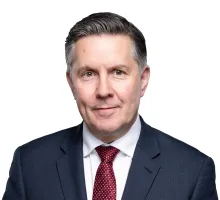
TOM STEINFORT, HOST: A conflict is raging this morning over transgender teens and puberty blockers, with some states and territories refusing access to the treatment despite new advice from the country's top health research body. Health Minister Mark Butler has thrown his support behind the National Health and Medical Research Council's advice, and joins me now. Good to see you, Minister. It's interesting to see that Queensland and the Northern Territory, despite that advice, are still banning the treatment and don't want to change their stance at all. Does that have any ramifications for them, or that is their right to make their own decisions?
MARK BUTLER, MINISTER FOR HEALTH AND AGEING, MINISTER FOR DISABILITY AND THE NDIS: Look, that that's entirely their right, Tom. They are elected governments. They're accountable to the people of Queensland and the Northern Territory. I just took the view that with this very heightened public debate about a very relatively small group of very vulnerable young people who are vastly overrepresented in our mental health and suicide statistics, that rather than have the debate settled by commentators in our big newspapers, we should refer it to the preeminent health and medical research body of Australia, which, for 90 years has been developing the guidelines to guide clinical practice right across the healthcare system. Their reputation is unimpeachable. I'm sure that governments will look at these guidelines very closely. But at the end of the day, every state government who deliver these services in their paediatric gender clinics will make their own decision about this.
STEINFORT: So the researchers behind these guidelines, they say that their review found a low level of certainty for better mental health outcomes for these teenagers. It's not exactly decisive. And I guess what's interesting here is that in the UK they had the same findings, and off the back of that, they decided that they meant- that it meant they should ban the treatment. Yet we are doing the opposite. Why is that?
BUTLER: In the UK, what they're doing is delivering that treatment in a clinical trial context, which is very similar to the way in which state governments deliver these services here in Australia. There's actually not that much difference in practice between what is happening now in the UK, after some pretty significant controversy over there over the last few years, and what happens here in Australia and is reflected in these guidelines. And it's not unusual to have guidelines indicate a level of low certainty around evidence. More recently, I've seen that in pregnancy care guidelines, dementia care guidelines, arthritis, and even stroke management as well.
And if anything, where there is a relatively low level of certainty, that makes clinical guidelines even more important. Doctors and other clinical practitioners need those guidelines to make sure that they're delivering the best possible care and support to their patients, and that's especially important for children and teenagers.
STEINFORT: You touched on this being such a divisive issue, and it lighting up the opinion pages in newspapers. One Nation has made a point of saying that it will block puberty blockers if it's elected. Given how strongly some people feel about this, do you care if this costs you votes taking this position?
BUTLER: As a Health Minister, and I think health ministers of both political persuasions have taken this view, my responsibility is to make sure that the best possible clinical care is delivered to patients. And I don't decide what that is. As a non-health practitioner myself, what I do is set up the sorts of processes with an unimpeachable authority like the National Health and Medical Research Council to develop those guidelines and to provide that advice to our clinicians, the best qualified clinicians on the planet.
Healthcare obviously is always political, I get that. And when you're talking about our kids, it's particularly highly charged. But at the end of the day, I think what families and the broader community want is to know that their doctors, where they're taking their children who are in a highly distressed state, very vulnerable to mental health and even suicidal ideation, are getting the best possible care and support that is available.
STEINFORT: Alright. Well, as you said, it is a very sensitive issue, Minister. Appreciate you taking the time to explain for us some of the thinking behind it this morning.
BUTLER: Thanks, Tom.
Media event date:
Date published:
Media type:
Transcript
Audience:
General public
Minister: