
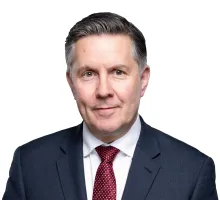
SYLVIA JEFFREYS, HOST: Meantime, social media giants will this morning begin handing over crucial data to the Government, revealing how many kids they've kicked off their platforms. To discuss, we're joined by Health Minister Mark Butler in Sydney. Minister, thanks for your time this morning. Do you have a read yet on how many kids under 16 are still on social media this morning?
MARK BUTLER, MINISTER FOR HEALTH AND AGEING, MINISTER FOR DISABILITY AND THE NDIS: I don't have access to that data yet, but I am so proud of the way in which the community, parents and kids themselves have rallied around this change. As the Health Minister, I know this is going to be so good, probably the best thing we can do for the mental health and the physical health, frankly, of young people. And we're leading the world, the rest of the world is watching that because parents and governments and communities right across the planet are deeply worried about what this new technology has done to the mental health of young people, but also to their social skills and their learning behaviour. But the platforms know very well that we're deeply serious about this, that they face very big fines of up to $50 million if they don't comply with the law. We're very confident that we'll see those laws implemented very well over the coming couple of days as people are moved off the systems.
JEFFREYS: One of the big challenges you face, of course, is outrunning tech-savvy teens. Downloads of little-known social media platforms like Lemon8 have skyrocketed. Were you looking at including them in the ban?
BUTLER: That’s not really within my bailiwick, but the Government has made clear that this is going to have to be agile. We're going to have to recognise that new platforms will pop up that seek to recruit young people to this damaging, addictive behaviour. We'll make sure this is not a set and forget as the Government has said, that we're watching very closely what's happening in the online world. The objective of the laws which is to keep kids safe, get them back to more normal learning and social interaction behaviours is achieved. Not because we've outlawed a number of platforms, but the general objective is achieved through making sure that we keep up with big tech as it tries to get around these laws.
JEFFREYS: Well, meantime, it seems no one in Parliament can escape the expenses scandal this week. It's continuing to dominate headlines. New names embroiled every day. The front page of The Aus this morning says Senator Don Farrell's family flew halfway to the moon on taxpayers. He spent almost three times as much as Anika Wells. Should he be referring himself to the expenses watchdog?
BUTLER: You're right, Anika has done that and we should let the independent authority do its job. It's been set up 10 years ago. It does that work, it sets the standards, and when there are referrals made, including by MPs themselves, it does that job at arm's length. I think that’s appropriate and we should wait for that to happen,
JEFFREYS: So should Don Farrell refer himself, as Anika Wells did?
BUTLER: That's not a matter for me. We've deliberately set this system up at arm's length. It sets the conditions. It ensures compliance with the conditions, and it means that MPs, instead of worrying about what our conditions are, we get on with our job, in my case, worrying about our health system. An independent authority sets the conditions and tells us whether we're complying with it.
JEFFREYS: I'm just struggling to understand, Minister, whose concern it is, because the PM here on this show brushed it off yesterday as well. He couldn't say whether or not it's normal to leave a COMCAR waiting for 10 hours. Do you think it's normal to leave a COMCAR waiting for 10 hours?
BUTLER: Again, the authority sets these standards. Sometimes they reach out to MPs about what they're doing. Sometimes MPs refer themselves. I mean, MPs can refer a question to an authority before they do something, that happens quite regularly. Or they can refer themselves to an authority after. But as I said, sometimes the authority reaches out to MPs as well as they watch what is happening. I think that independent job that's been set up now for 10 years rather than MPs regulating themselves is serving the country well and it will help get us through this current debate that's going on. A legitimate debate but one that I think should be served through independent, arm's-length authorities.
JEFFREYS: A debate that's not going anywhere any time soon, I suspect. Minister Mark Butler, we appreciate your time this morning. Thanks for joining us.
Media event date:
Date published:
Media type:
Transcript
Audience:
General public
Minister: