
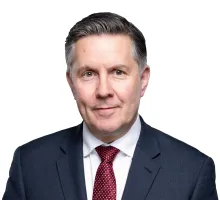
TOM STEINFORT, HOST: It's a significant day for Australian healthcare. A wave of new measures coming into effect. And to discuss, I'm joined by the Health Minister, Mark Butler. Minister, 10 new treatments being added to the PBS today. I mean, you can see that the PBS is under growing pressure. Drug companies are demanding higher prices for their products. Are you confident these changes will be sustainable?
MARK BUTLER, MINISTER FOR HEALTH AND AGEING, MINISTER FOR DISABILITY AND THE NDIS: This is a blockbuster month for the PBS. Our focus has been on getting the price of scripts down. They're down to record lows. We haven't seen script prices this low since 2004. That's great for household budgets. But we also want to see as many new medicines listed on the PBS as possible. We're all lucky to be living through this amazing period of discovery right now. New medicines are coming onto the market every single month from around the world, making new treatments possible, cures in some conditions which were thought unimaginable only a number of years ago. And we want to make sure Australians get access to that. This month, 10 new medicines, five medicines for different types of cancer, but for other conditions as well, like type 1 diabetes, anaphylaxis. Parents will now have access to a nasal spray instead of having to jab their child if they have an anaphylactic shock. And a range of other conditions as well that will change their lives, in some cases save the lives of tens of thousands of Australians.
STEINFORT: Moving along, you're making Medicare Urgent Care Clinics a permanent fixture. I've got to say, for people with a young family, these do come in very handy, but they don't come cheap. Taxpayers, it'll cost them $1.8 billion over five years, another $526 million ongoing annually. How much pressure does that actually take off the average Aussie household?
BUTLER: They're fully free. They're fully bulk billed. They're open seven days a week, extended hours. Already more than 3 million patients have gone through them. Now the network is fully up and running, we opened the last one only last week, they'll see about 2 million patients every year. And importantly, about half of those patients say that if the clinic wasn't available to them, the only other choice they'd have is to go to the local hospital. And that's taking pressure off our busy emergency departments, but it's giving great choice to patients as well, including parents whose child come off a skateboard or get an injury on Saturday afternoon sport, and who know they won't be able to get into their usual GP at short notice. They can now go to an Urgent Care Clinic staffed by expert doctors and nurses and get high-quality urgent care, completely free of charge.
STEINFORT: Now, one of those other headline figures today, Labor is investing an extra $25 billion into public hospitals. But, I mean, we've got this ongoing issue in pretty much every state with bed block, you know, ramping of ambulances. How much confidence do you have that this will start to solve that problem?
BUTLER: It's a record investment in our hard-working public hospitals, $25 billion more than they would have got under the previous agreement. They would have got about $12 billion additional money. They'll now get $37 billion because we know pressure on hospital systems, like every other part of the healthcare system, is really, really significant. In addition to that investment, we're doing what we can to take that pressure off. We just talked about Urgent Care Clinics that mean that fewer people are going to emergency departments, but we know more older people are stuck in hospitals for longer than they should be because we're not building enough beds right now in aged care. This budget had a very significant investment into new aged care capability. We're seeing unprecedented numbers of Australians getting into that age where people do need aged care, particularly their 80s. The baby boomers who were born when all the soldiers came back from World War Two, they're turning 80 right now. We've got to do better at building more aged care beds, more support at home capability, and that was a big part of the budget we delivered a few weeks ago.
STEINFORT: Yep, big day for you, Health Minister. Appreciate your time this morning.
BUTLER: Thanks very much.
Media event date:
Date published:
Media type:
Transcript
Audience:
General public
Minister: