
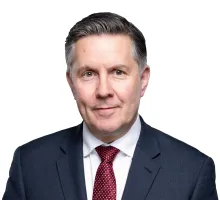
KARL STEFANOVIC, HOST: The fuel excise has officially been halved this morning, but don't expect any Easter miracle at the bowser. Joining me to discuss today's headlines, Minister for Health Mark Butler and Nationals leader Matt Canavan. I guess you guys are spoiling for a fight today. Here we go. Mark, the excise cut won't get through the system for days, maybe weeks, right?
MARK BUTLER, MINISTER FOR HEALTH AND AGEING, MINISTER FOR DISABILITY AND THE NDIS: This happened back in 2022 when the excise was cut after prices spiked when Russia invaded Ukraine. As John Kehoe said, it depends really on the turnover of the station, but probably it'll be a few days at those very high turnover stations in the cities, but as much as one or two weeks in other communities because the excise is applied at the wholesale point rather than at the petrol bowser itself. An average tank will be about $19 cheaper than it otherwise would have been as fuel prices continue to jump around in response to this global fuel crisis. But it will take a few days to pass through.
STEFANOVIC: By the time it comes through, it'll be eaten up by increased prices.
BUTLER: The point is that an average tank will be $19 cheaper than it otherwise would have been. I mean, yes, prices are going to continue to jump around because 20 per cent of the global oil has been locked up behind the Strait of Hormuz.
STEFANOVIC: Supply’s the same, right?
BUTLER: Well, $19 cheaper than it otherwise would have been, Karl. That's the important thing. And we'd like states to get on board as well and help us pass through their windfall gains through the GST to a further cut, which might be as much as $0.08 or $0.10 additional.
STEFANOVIC: Matt, the PM finally bowed to the Coalition demands with the excise cut. It makes it hard for you to argue for fiscal responsibility in the budget.
MATT CANAVAN, NATIONALS LEADER: Two things, Karl. First of all, yes, the government waited days to do this, and Mark says it's going to take a few days to flow through to the bowser. Well, if the government acted when we called for this last Friday, you'd already be paying lower prices today. The government kept raking in this fuel excise until it could suit their communications timeline to offer you relief.
And on this broader inflationary point, well, there is a difference between what we proposed last week, what the government announced the other day. We proposed that we would reduce spending, reduce government spending on other programs, especially things like the ridiculous battery program which was blown out by $10 billion under this government in just a year. We would offset, fully offset, the reduction in fuel excise. So that would mean it wouldn't add to broader inflationary pressures. The government, when it's announced its excise cut the other day, has not done that, has not identified how it would reduce government spending otherwise, and therefore there is the risk that inflation would go up even higher.
And keep in mind, going into this fuel crisis, under this government, we have the highest inflation rate in the developed world. It's not a good place to be.
STEFANOVIC: Mark, you mentioned the GST. The states don't seem to be able to agree on it, so that hasn't happened yet. Why don't you show some leadership and show them how it should be done?
BUTLER: They did agree at the National Cabinet on Monday to pass this windfall gain back to motorists. We wanted that to happen through an arrangement between the Commonwealth and the states whereby we'd be able to deliver an additional cut to the fuel excise which would flow in the same way through to bowsers. But they haven't yet been able to agree that amongst themselves. We want them to do that. We want them to get back around the table over the course of the next day or so, so that the powers that we're passing through the Parliament today for the Treasurer to pass that additional cut through to motorists can be exercised.
STEFANOVIC: Matt, just in terms of that, I mean, what would you suggest to them?
CANAVAN: Well, the Prime Minister promised this after National Cabinet the other day. He said this would happen. He'd gotten that agreement and he's broken that promise within days. So, you know, he made the commitment. The Prime Minister made the commitment. He needs to see it through here. He needs to get these states together and provide that extra relief. I mean, the relief that the Commonwealth is providing is greater, 26 cents a litre. This GST return would be about another 10 cents. But it all adds up. It all adds up. And as I said, the Prime Minister promised it. It's time for him to show the goods.
STEFANOVIC: Is he going to get them together again, Mark?
BUTLER: First of all, maybe Matt can get on the phone to his LNP colleague in Queensland, Premier Crisafulli -
CANAVAN: I didn't make the promise, Mark. I didn't give false hope to people.
STEFANOVIC: You might be able to do the same with Victoria then, Mark.
BUTLER: That's right. We want all of the premiers, Labor, Liberal, wherever they're from, to deliver on the commitment they made on Monday.
STEFANOVIC: Mark, I'm hearing, look, there are all sorts of ramifications, flow-on effects of all this. I'm hearing in your portfolio, plastics at hospitals will be the next crisis point. Diesel really does make the world go round, as you know. Are you hearing anything along those lines, that there are going to be shortages in hospitals?
BUTLER: We're engaging very closely with our sector, health and aged care and disabilities. Obviously, a lot of those services are mobile, they are hit by the global fuel crisis. Some of them have some supplies like medical helium, for example. It's an important product for MRI machines. A lot of that comes out of the Gulf as well. We're watching this very closely at the moment as we engage with particularly state governments that run the hospitals, but the private sector as well. We're confident we've got the supplies we need, but we're working and talking with them really almost on a daily basis.
STEFANOVIC: 30 seconds each on this one. The NDIS, Matt, something needs to be done.
CANAVAN: Sure does. Again, this government's made a number of promises to cut spending on that and it hasn't delivered. Mark's the responsible Minister. I'm interested to hear what he's got to say, but the fraud, the rorting, has just continued and gotten worse under his watch, and that also is adding to these inflationary pressures and delivering this highest inflation rate in the developed world.
STEFANOVIC: It’s a shemozzle. When are you going to do something about that, Mark?
BUTLER: We have reduced growth. It was 22 per cent when Matt lost government back in ‘22. It's come down to 8 per cent, but I've been clear as the Minister responsible, we’ve got to -
CANAVAN: You want it at 5.
BUTLER: We’ve got to get that down further. We're working on that as part of the budget. I've made that really open.
STEFANOVIC: And the corruption?
BUTLER: We're passing a fraud bill really right now as we speak. It's being debated in the House. It was passed in the Senate. That will crack down on the rorters in the system. We want to make sure every dollar taxpayers put into this reform goes to where it's needed, and that is supporting people with disability, not to the fraudsters and the rorters.
STEFANOVIC: The heat is on that particular portfolio. Good on you guys. Appreciate it.
Media event date:
Date published:
Media type:
Transcript
Audience:
General public
Minister: