
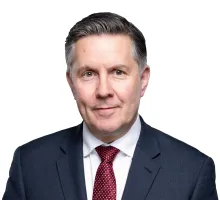
NATALIE BARR, HOST: Well, let's get more on the relaxing of our fuel standards for 60 days to increase supply into the market. Health Minister Mark Butler and Deputy Opposition Leader Jane Hume join us now live. Good morning to both of you. Mark, will the new fuel with the sulphur in it wreck my engine?
MARK BUTLER, MINISTER FOR HEALTH AND AGEING, MINISTER FOR DISABILITY AND THE NDIS: No, the new fuel will still be a cleaner level of fuel than it was only a few years ago. We've been lifting our fuel standards and that's important, not just to make sure that it gels with the new sort of vehicles that people are driving but also to improve air quality. But we will be relaxing those standards for a couple of months to ensure we have more supply. An additional 100 million litres every single month, which as you know is enough to fill up about 2 million cars every single month. Just another thing we're doing to try and make sure we have as much supply as possible to get through what is a really challenging global situation I think Australians all understand.
BARR: Okay. So Jane, it sounds like this was the level of fuel we had a few years ago. Do you support this plan?
SENATOR JANE HUME: We do support this plan. What we don't support is how we got there. Let's face it, at the beginning of the week, Chris Bowen was saying that there was no problem here and in fact it was consumers' fault that they were filling up their cars and filling up their jerry cans. By the middle of the week, we had stories about fishing vessels unable to get fuel, manufacturers, transport companies. It took until the end of the week until this decision was made. We're very pleased that there's going to be more fuel, particularly getting out to the regions. But despite this, Anthony Albanese and Chris Bowen have failed to be able to give a guarantee to Australians that we won't run out of fuel. So I suppose this is an opportunity now for Mark to be able to say, will Australians run out of fuel?
BARR: Mark?
BUTLER: We've been working really hard over the last few years preparing for a situation just like this. We have more fuel on hand than we have had had at any time in the last 15 years. We've got more fuel, certainly, than there was under the last government because of the changes we put in place to require fuel companies to have a minimum stockholding here in the country. They still have that. Ships are still arriving. Indeed, we put new laws through the Parliament in November to get better transparency, a better line of sight by governments around these fuel stockholdings. And bizarrely, the Liberal Party voted against those arrangements only four months ago.
BARR: Okay, we’re not going to get into politics. Mark, we've got farmers across Australia screaming because they can't get fuel, because all the independent stations haven't had fuel. We've got fishermen saying there's going to be a seafood problem and Easter's three weeks away because they can't get fuel. We've got people paying exorbitant amounts to fill up their cars, and two weeks in, you're saying now there is a national crisis. People feel there is a crisis and maybe you've acted too slow.
BUTLER: There's enough fuel in the country. The problem we have is that it's not getting to some of the regional centres it needs to as quickly as it's really required because there's much more demand. Some areas are using twice as much fuel in terms of filling up, even though there's no change to the way in which the economy is running. But we recognise the need to -
BARR: So did anyone in the government anticipate this?
HUME: You're blaming consumers again.
BARR: Yeah. Mark, did anyone in the government think prices are going to go up, this could happen?
BUTLER: We're not blaming consumers, we're simply describing a reality, Jane. We're simply describing a reality, which is that people have been filling up much more quickly because they look at their TVs, they're worried about what future supply might look like. We're trying to reassure people there is enough supply in the country. We're trying to get as many political leaders to counsel people against panic buying, against filling up jerry cans and putting them in their sheds because that sort of behaviour is having a downstream impact on people. But at the same time, the 100 million litres additional that we added to supply yesterday is going to be prioritised for those regional areas, put into the spot market, which has really dried up, which many farmers and fishers do rely upon. We recognise these challenges and we're working to address them.
BARR: Okay, moving on. Mark our beloved colleague Mel McLaughlin is bouncing back after being diagnosed with Australia's deadliest cancer. She is a lifelong non-smoker, just like one in three women diagnosed with lung cancer. The screening program is only available to smokers. What is the government doing for the thousands who aren't eligible here?
BUTLER: First of all, Nat, can I say all of us are wishing Mel well, but I want to thank her as well as the Health Minister, because every time a public figure like Mel has the courage to talk so openly about their health battle, it lifts the health literacy of the whole country. It encourages people to go and see their doctor if they've got those persistent or worrying symptoms that maybe they've just been trying to ignore. It's not an exaggeration to say that I think what Mel has done is probably saving people's lives because it's nudged them to go and see their doctor.
You're right to say we do have one of the world's first lung cancer screening programs that we introduced only last year. The US is still trialling it, the UK is not going to introduce it until later this decade and it is already saving hundreds and hundreds of lives. But you're right also to say that it's targeted at sort of pretty heavy smokers aged over 50. If you're under that age, if you have new or persistent symptoms, particularly if you have a family history, which I understand Mel did, go and see your doctor and your doctor can refer you to a CT scan, a low-dose CT scan, which will pick something up quickly and get treated as quickly as possible. There are great new medicines on the PBS that are helping with this insidious disease, but I'm incredibly grateful to Mel for really lifting the awareness of this and encouraging people if they do have these new persistent symptoms, particularly if they have a family history, go and see your doctor.
BARR: Yeah, we're putting all the symptoms on our website and on the Seven News website. Jane, lung cancer is Australia's deadliest cancer. A lot of people don't realise that. Why does it receive significantly less research funding than some others?
HUME: Nat, my father died of terminal lung cancer.
BARR: I’m sorry.
HUME: My heart goes out to Mel and her family. This is a really tragic disease and I wish her well. I think, I support Mark. If you have symptoms, if you have any symptoms, go and see your doctor. Don't wait. Make sure that you get all the care that you need as soon as you can need it.
BARR: Yeah, okay. I can see it's personal to you. And as I said, a lot of people saying, how do you know? We'll put it all on our website. Thank you both. We'll see you next week.
Media event date:
Date published:
Media type:
Transcript
Audience:
General public
Minister: