
NATALIE BARR, HOST: Well, diesel, would you believe it, is now more expensive in WA than before the Federal Government's fuel excise cut, with the average price peaking to $3.26 a litre, beating the previous high of $3.22, that was on 31 March. Treasurer Jim Chalmers admits it's nationwide, with prices climbing at the bowser in other cities too.
Let's bring in Health Minister Mark Butler and Deputy Opposition Leader Jane Hume, right here in Adelaide this morning with us for Gather Round. Mark, those prices basically have taken over the excise cut. That is very hard for people. What can you do?
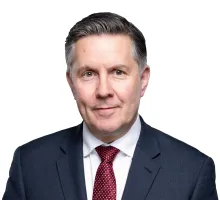
MARK BUTLER, MINISTER FOR HEALTH AND AGEING, MINISTER FOR DISABILITY AND THE NDIS: Look, it's very hard for people. We know that the wholesale price of diesel has skyrocketed compared to petrol after the conflict started. We do see petrol prices down at 30 to 35 per cent below their peak, and that's some good news in a sea of pretty bad news, frankly, for consumers. We know that, but the point is that they would be 30 or 35 cents more expensive if we hadn't cut the fuel excise, if we hadn't brought the states to the table. Saving about $20 a tank on what otherwise would be happening. But we know that this war is causing enormous pain to households and to businesses as well, which is why we need to see an end to it as quickly as possible.
BARR: Yeah, and that ceasefire is pretty fragile. We're not sure what's happening there. Jane, do you keep cutting the excise? What do you do?
SENATOR JANE HUME: Well, we're frustrated, particularly for West Australians who rely so heavily on diesel. Why the price there is higher than anywhere else is a mystery. That's why the Coalition has been calling for a national dashboard to create some transparency and accountability about where the fuel is short and where the supplies are, how it's just being distributed across the country and when it's being imported in. This is available information, but it's really unclear right now. A national dashboard would create certainty in industry so they can make decisions about when they buy fuel and where they buy fuel.
BARR: Okay, Mark, that's an interesting idea, because we're doing basically around the grounds every day and we've got petrol station prices. It's very different in some states. Why is that?
BUTLER: Pretty much all states have very clear dashboards in place certainly, here in South Australia. I can work out the price at pretty much every petrol station in my state. We are seeing diesel prices up across the country. I know driving this morning, they were around $3.30 at the stations I passed on my drive into town. We are seeing elevated diesel prices right across the country, not just in WA, although I do take Janes' point that diesel is more important in a resources state like that. We're doing everything we can to get transparency, to make sure that the consumer watchdog is keeping an eagle eye on retailers in particular. But this really goes back to wholesale prices in diesel, which have been much higher than petrol.
BARR: Okay, this is an interesting one this morning. Former Prime Minister Tony Abbott says we should be joining the US in the fight against Iran, saying we risk being seen as a, quote: “weak country”, unquote, for not participating. Mark, he says our country that's not prepared to stand up for what we believe in can't expect to be backed when something goes wrong. Should we be sending special forces, like he says, military trainers, aerial refuelers, strike fighters?
BUTLER: With the greatest of respect, I just don't think this is a particularly serious contribution. We've been asked to provide defensive support, particularly to the UAE, where there are thousands of Australian expats living. We've done that, the Wedgetail aircraft, air-to-air missiles. But this is not a war of our making. We were not consulted on it. It's the other side of the world and we want to see it end. I don't think there's any sense in the community that we want to see Australian Defence Force personnel deployed to offensive operations in the way that Tony Abbott has outlined. Indeed, what we want to see is the ceasefire hold for it to become a permanent end of this conflict and for the strait to open and for oil to start to flow back to the global economy, including ours.
BARR: Is there a difference, Jane? I think the Wedgetail and those resources were backing the UAE. This is a call from Tony Abbott to back the US and join their fight. Do you think we should do that?
HUME: Well, there is no doubt that Australia should always stand up for our national interests and also make sure that our civilians are safe. That should be a priority of any government. The problem, of course, has been in this conflict that the messages have been so unclear from the government. The Prime Minister has prevaricated and equivocated as to whether he supports the US in its endeavours or not. In fact, it seems to be, depends on who his audience is as to how his message is expressed. We want to make sure that a nuclear-free Iran, that's good for Australia, so is opening up the Straits of Hormuz. And we heard just yesterday from Admiral Johnson, the head of the Defence Forces, that we do have the capacity to send a ship should that be requested. Now, has that request -
BARR: So you want to send more Australians?
HUME: Well, I'm not sure whether that request has been made. And if it has been made, then it's really up to the government to explain why we wouldn't support not just our major ally but what is in the national interest.
BARR: So do you back Tony Abbott's call for more troops to go?
HUME: I do back Tony Abbott in his commitment to ensuring that our values, our freedoms, are held dear. That is really, really important. But whether -
BARR: Well, we all back freedom, but do you back Tony Abbott in wanting more troops to go?
HUME: I don't think that's exactly what he said. What he said was that we look weak if we don't have the capacity to defend what is important to Australia. And if that is the case, I certainly agree, which is why we want to see our defence spending increased to 3 per cent of GDP so that we have the capacity to defend ourselves when we need to do so. Is this the conflict in which we do that? I'm not sure, but that's up to the government to explain why they haven't if they have been requested to send more support, why they haven't.
BARR: In the meantime, we'll let you go and watch some footy for the weekend.
BUTLER: Go the Power.
BARR: Yeah, thank you very much for joining us here in Adelaide.
Media event date:
Date published:
Media type:
Transcript
Audience:
General public
Minister: