
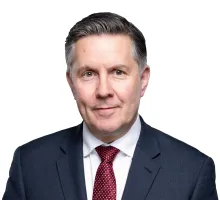
BRIDGET BRENNAN, HOST: Well, it's been a year since the federal government announced plans to invest billions into bulk billing as part of its re-election bid. The push is designed to ensure more Australians can see a doctor without out-of-pocket fees, and now the figures are in and federal Health Minister Mark Butler joins us from Parliament House. Good morning to you, Minister.
MARK BUTLER, MINISTER FOR HEALTH AND AGEING, MINISTER FOR DISABILITY AND THE NDIS: Morning.
BRENNAN: Tell us, what do the figures tell us about how many clinics are now bulk billing?
BUTLER: The figures show a record jump in bulk billing right across the country, increasing in every state and every territory. We've got 1300 general practices that last October were charging people a gap fee are now bulk billing all of their patients all of the time. The really pleasing thing is that we're seeing big bounces in bulk billing for people who don't have a concession card, middle Australia that is doing it tough and has been finding themselves less able to go to the doctor when they need to because of cost. We've got the bulk billing rate for pensioners and concession cardholders well over 92 per cent now, but I was concerned to see it turn around for those people who don't have the benefit of a concession card. Along with cheaper medicines for those Australians, more free visits to the doctor is going to be terrific for their health.
BRENNAN: Would you anticipate if we continue on this trajectory, we would see that goal reached 90 per cent of all GP visits being bulk billed by 2030?
BUTLER: We've still got a long way to go, but the early start has been even more encouraging than I had hoped. We're now over 3400 practices across the country bulk billing all of their patients all of the time. We'd expected to get to 3600 by 2028, so we're well ahead of schedule, but we've got more to do in some markets where bulk billing rates are still stubbornly low.
BRENNAN: What do you make of this suggestion from the Royal College of GPs suggesting that there could be an independent body that sort of sets rebates and fees for all GP practices across Australia? Would that be a fairer system and would it ensure greater trust from GPs in the system as well?
BUTLER: It's not our focus right now. I think I understand where they are coming from. After 6 years of a freeze on the Medicare rebate under the former government, they're obviously concerned about the possibility of that happening at some time in the future. But, for our government, Medicare is the most important social program we have. We're determined to strengthen it and to make sure it works for Australians. We're not ready to hand off responsibility for it right now.
BRENNAN: Is that an absolute no, Minister? Or is it something you’d look at over time?
BUTLER: It's not our plan right now. We've got a very big agenda on Medicare. We've just struck a hospitals agreement with states and territories. There is nothing more important to Australians than their health and the health of their families, so we've got a big agenda and we're focused on implementing it right now.
BRENNAN: Minister, I want to ask you about this landmark Four Corners investigation into Melbourne surgeon Dr Simon Gordon, with a range of allegations about the way that he treated women over time. You've had a look at these allegations. They are deeply disturbing, aren't they?
BUTLER: They're some of the most distressing testimonies I've ever seen in my many years in the health portfolio. My deepest, deepest sympathy for these young women who were just wanting help and some hope with a condition that is really very debilitating. I have to say, it made me quite physically sick reading some of the testimony. Investigations by the relevant authorities must take place for this particular doctor. I've also asked the Victorian Government whether there needs to be some work done on the clinical governance of the hospital in question because there had been complaints, as I understand it, made about this individual doctor over a number of years. How he was going to able to continue to practice this on so many young women is a question that needs to be asked as well.
BRENNAN: Have you had a response from the Victorian Government yet, Minister, on that?
BUTLER: Not yet. I only wrote to the Victorian Minister a few days ago after these allegations became clear to me. I'm sure she'll be taking this very seriously because this is an incredibly distressing series of cases under one single doctor.
BRENNAN: Just before I let you go, let's turn to the Australians who are in Syria looking to return to Australia with alleged links to ISIS. The Coalition is calling to criminalise help for external people seeking to bring some people back who are accused of crimes. Is this something that you would consider? Does there need to be more legislative work done to ensure that there is greater checks and balances when people are seeking to return home here to Australia?
BUTLER: This looks like a bit of a grab for a headline more than a serious policy. All we've seen is newspaper articles about it, no serious content about what appear to be some plans to try and criminalise the work of aid organisations like Save the Children. We're focused instead on applying the strict letter of the law. These are laws that were put in place by the former government. Angus Taylor was a minister in that government. Those laws govern the return of 40 people during the term of the last Coalition government, not just women and children but ISIS fighters themselves. We've said very clearly, we're not lifting a finger to assist or support these people return home, and applying the strict letter of the law which is put in place by the former Government.
BRENNAN: All right, Mark Butler, thanks for your time this morning.
BUTLER: Thanks very much.
Media event date:
Date published:
Media type:
Transcript
Audience:
General public
Minister: