
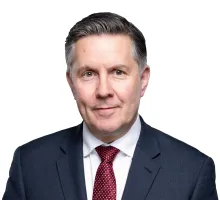
REBECCA WHITE, ASSISTANT MINISTER FOR WOMEN, ASSISTANT MINISTER FOR HEALTH AND AGED CARE AND ASSISTANT MINISTER FOR INDIGENOUS HEALTH: Good morning, everybody. Thank you very much for joining us. We are just so thrilled to be with you to mark the one-year anniversary of the Women’s Health Package. This is a milestone event because it celebrates our Labor Government’s investment in women’s health, but it also recognises the work that’s gone into this, and the contribution that so many women have made to the delivery of this package. I’d like to acknowledge all of my federal parliamentary colleagues who are joining us here this morning. And this is really testament to the strength of this caucus, and the number of women that are in this Labor caucus too, and how being at the table to help make decisions really can shape the future of our country. The Women’s Health Package is a milestone because it finally recognised the importance of investing in women after so long feeling like they were neglected, and the Labor Government changed that.
Today I can share with you that since we launched the Women's Health Package, 660,000 Australian women have been able to access cheaper medicines. Medicines like contraceptives, medicines like menopause treatment, endometriosis treatment, that has changed lives. When it comes to contraceptives, we haven't seen a new contraceptive listed on the PBS for 30 years. And since that has been achieved, we've seen 303,000 Australian women access cheaper contraceptives, saving them hundreds of dollars, but also saving them collectively $23 million.
When it comes to menopause treatments, we haven't seen new menopause treatments listed on the PBS for 20 years. And since we did that as a government, we've seen women save hundreds, in some cases thousands of dollars. And 363,000 Australian women have been able to benefit, saving about $45 million, which is a huge cost-of-living saving for women who are accessing these cheaper medicines.
And then of course, endometriosis medicines. Now this is a condition, a chronic condition, that affects 1 in 7 Australian women, and for many of them, they live in quite a significant pain. Being able to access new medicines through the PBS has been a life changer and 6,700 women have been able to access cheaper endometriosis medicines since we listed these on the PBS, saving them nearly $5 million collectively.
Now, this isn't just about cheaper medicines, It's also about listening to women, actually giving them the dignity of healthcare that treats them as a person rather than just as a statistic. Because we know many Australian women are struggling to access the healthcare they need and that's why this women's health package has been transformative. We've been able to offer new Medicare rebates for things like perimenopause and menopause, and across the country 71,000 Australian women have been able to access that treatment since it was introduced on 1 July.
We've also stood up endometriosis and persistent pelvic pain clinics around the country. Through this Women's Health Package, every single primary health network in Australia will have one endometriosis and persistent pelvic pain clinic, bringing the total to 33 around Australia. And alongside the work that they've been doing, they'll also now be able to provide support for women seeking assistance with perimenopause and menopause.
This package is comprehensive. It's about providing access to cheaper medicines. It's about providing access to increased Medicare rebates for the type of health care women have needed for such a long time. But it's also about making sure it's affordable. It's about making sure we train the health workforce so that no matter who a woman goes to see, whether it's their treating GP or a nurse practitioner, they're able to see somebody who listens to them who understands them and offers them the treatment that they deserve.
That is the whole reason behind the Women's Health Package. It's about listening to women and treating them with the care and dignity they deserve in the Australian healthcare system. I'm happy to take any questions on this. If there are any other questions of the day, of course, Minister Butler's here and Minister Gallagher as well.
JOURNALIST: Just on obviously women's health and menopause being something that everyone's going to face in their lifetime, we've talked about how there's a gap in superannuation for women when they retire because of other life commitments. There's also been discussions in previous years about leave allowance allocations for menopause. Is that something still on the radar, and if not what's the alternative?
WHITE: Katy, did you want to speak to that one? Excuse me.
SENATOR KATY GALLAGHER, MINISTER FOR WOMEN, MINISTER FOR FINANCE, MINISTER FOR THE PUBLIC SERVICE AND MINISTER FOR GOVERNMENT SERVICES: Thank you. When it comes to superannuation, women do retire with much less than men and that historically has been because they have large gaps in their working life, their paid working life, where they come in and out of the workforce between their late 20s to their 40s, as they take that role as carers, usually for children. And also because women's work has been underpaid. And so the big change that this government has focused on is about making sure women earn more, because if they're earning more and able to work the hours they choose to work, things like the activity test, getting rid of that. Making sure the childcare system works for them so they're able to choose the hours they want to work, and getting paid at work is the single biggest thing we can do to make sure women's super is addressed over their working career.
The other things that we're bringing in, obviously, is the low-income offset, super tax offset, which we'll be bringing in with the new superannuation legislation that the Treasurer will introduce this year, sorry, this week.
And then on the issue you raised about leave. Look, traditionally it's been about making leave more flexible so that women are able to manage that within a sort of a personal leave arrangement. There is advocacy across the sector and across the labour movement in particular about looking at additional forms of leave for women to make sure that women are able to work the hours they want to work and be able to be supported through that, and we continue to engage with stakeholders on that.
JOURNALIST: And looking ahead to the Budget on this front, I'd be surprised if you came here and said, yeah, we're going to cut the Budget on this, but is there going to be an expansion of these programs? Is this something that is a priority to continue and broaden?
GALLAGHER: In terms of women's health? This package is almost $800 million over the forward estimates. It's a significant package that we announced a year ago today. Obviously, health has been a priority for the government, whether it be in Medicare Urgent Care Clinics, in tripling the bulk billing, in bulk billing clinics and the incentive payments around that. We've made it clear that we want to invest in health. We see it's important not just for the social part of the economy, but also the productive side of the economy to make sure people can access affordable and accessible healthcare, and obviously women's health is a key part of that. I work with Minister Butler pretty closely on all matters relating to the health budget and we're just starting to go into that process for the next budget now.
JOURNALIST: Senator Gallagher, I just want to shift slightly. Former staffer Fiona Brown has detailed a litany of allegations against the former Morrison Government and his key advisers over her alleged mistreatment and silencing. Why is the Labor government determined to fight a compensation claim?
GALLAGHER: I have nothing to add to that. That is a matter that's being handled by the Commonwealth and its lawyers. It's not something that ministers are involved in or briefed about or have any say over. The Commonwealth handles those at arm's length from the executive government and that's appropriate.
JOURNALIST: If I can ask one for Minister Butler. Just on, you mentioned last week with the Thriving Kids announcement that the kind of discussions with the states were moving relatively quickly to get ahead of the South Australian government going into caretaker mode. Can you update us on where those talks are at and things progressing?
MARK BUTLER, MINISTER FOR HEALTH AND AGEING, MINISTER FOR DISABILITY AND THE NDIS: So, that was Thriving Kids?
JOURNALIST: Well, I mean, the NDIS broadly, but also the Thriving Kids agreement.
BUTLER: A little more than a week ago, the Prime Minister struck an historic agreement with premiers and chief ministers, not just for hospital funding, but an agreement that had states agree to our proposals to develop a Thriving Kids program but also an ongoing process of NDIS reform to ensure we get the NDIS back on track and secure its long-term future for Australians living with significant and permanent disability. That work will continue. As I said, in relation to NDIS reform, that will be something we'll be doing more work on in the lead-in to the Budget, as the Minister for Finance just said. But in relation to Thriving Kids, we're undertaking negotiations with every state and territory on a bilateral basis pretty much as we speak, and I'm confident we'll be able to secure those agreements before 20 February.
Thanks everyone.
Media event date:
Date published:
Media type:
Transcript
Audience:
General public
Minister: