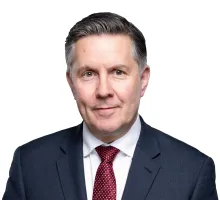
MARK BUTLER, MINISTER FOR HEALTH AND AGEING, MINISTER FOR DISABILITY AND THE NDIS: We have launched some information campaigns to remind Australians of the importance of vaccination, particularly for kids under five, as they're susceptible to some very serious diseases, and for older Australians as we head into winter to remind them that vaccination against respiratory illnesses like flu and COVID and RSV can keep them safe through the winter season as well. We know that Australians are increasingly subject to misinformation and disinformation about vaccines online so we think it's our responsibility as Government to be able to steer people to some reliable evidence-based information to ensure they make safe choices.
JOURNALIST: Do you have a figure at the moment for how much this campaign is expected to cost?
BUTLER: The campaign for childhood immunisation will cost around $6 million over the course of this coming few months and for seniors about $14 million. We're committed to making sure that we get the right information to Australians so that they can make their decisions based on the evidence rather than the misinformation and disinformation that too often floats around online.
JOURNALIST: How will this be important going into the future and with the pressure on the healthcare system?
BUTLER: We've seen childhood immunisation rates decline pretty steadily since COVID. It's something we see right across the world as parents are subject to so much misinformation about the benefits of vaccines. From the Government's point of view we think it's important to give reliable information to parents to make those choices. This is another way to keep your little ones safe and as we see those declines, our children are more and more exposed to frankly the very serious threat of conditions like measles.
JOURNALIST: Moving on to the NDIS now, following the NDIS reforms, will there be a gap between where state support and federal support ends, meaning participants will be dipping into their own pockets where they're not currently required to?
BUTLER: We're committed, and I know state governments are committed as well, that as eligibility changes are made to the NDIS to return it to its original purpose, that those support systems in the local community are already up and running. That's certainly been our approach with Thriving Kids. The Thriving Kids programme is in the process of being rolled out and will be fully rolled out by the 1st of January 2028 when access changes take place. We're absolutely committed at the Commonwealth level, I know state governments as well are, to make sure that no one slips between any stools.
JOURNALIST: Is about 160,000 a rough top end of the number of people which will come off the scheme? Is there a capacity or opportunity to have more people shifted off?
BUTLER: I've been clear to say this is our initial modelling. Ultimately that number depends on the tool that is agreed by state and territory governments, and co-designed with the disability community. But I've tried to give people a sense of the scale of the change that I outlined last week.
JOURNALIST: Do you think you need to offer the states more to encourage them to sign up to taking on more responsibility in the disability sector?
BUTLER: The Commonwealth and States jointly committed $10 billion to this work back in 2023. We've already allocated $4 billion to Thriving Kids, which will support children under the age of nine and their parents and families. That leaves $6 billion in the kitty. That's a substantial amount of money, $3 billion from the Commonwealth, $3 billion from other jurisdictions to start this work soon.
JOURNALIST: Are we expecting those numbers of people coming off the scheme to start to fall before 2028?
BUTLER: No, the new tool won't start until 2028, so I've been clear that these changes won't begin until then.
JOURNALIST: Have you gotten any update on Australian families trying to make their way out of Syria?
BUTLER: I've seen the reports overnight. It's important to say that the Australian Government's position hasn't changed. We're not providing any support to those people coming back to Australia or being repatriated in any way. Obviously, they've got a legal right to a passport. But if they come back to Australia on their own steam they need to understand that they will be met at the border, if there's any suggestion they've committed crimes overseas met with the full force of the law. We're obviously taking advice from our national security agencies. There's already, as I understand it, been one person subject to a temporary exclusion order. That is based, according to the law, very much on national security advice:
JOURNALIST: Finally, Australians with diabetes will have to keep paying as much as $600 a month for the medication Mounjaro. Is this a failure of Government?
BUTLER: There are often very robust price negotiations between big multinational drug companies and the federal government, the officials that we ask to do that work for us. That tension really and that price negotiation is a very big reason why we have such a successful and sustainable Pharmaceutical Benefits Scheme. I will be receiving a report about those negotiations. I understand that the company has made some public statements about it but I’ll be taking advice from my own department.
Media event date:
Date published:
Media type:
Transcript
Audience:
General public
Minister: