
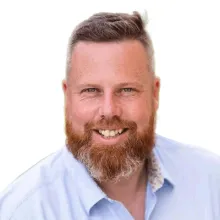
ALEX THOMAS, HOST: Joins us live now to tell us some more. Dan, good morning to you. When it comes to keeping an eye on our health, us blokes don't always do ourselves any favours. Unfortunately, it's not always at the top of the list when it comes to what we prioritise. It's Men's Health Week this week.
DAN REPACHOLI MP, SPECIAL ENVOY FOR MEN'S HEALTH: That's right, Alex. We're halfway through the week now and we've been out there talking about all the great things we want to see men doing to put their health front and centre, so they're around for their family, their friends and their community for a lot longer.
On average, blokes are passing away just over four years younger than our female friends in metropolitan areas. But if we move out to rural and regional Australia, Alex, that gap grows to up to 13 years younger. These are very concerning statistics and they're statistics we want to see change.
This week, together with Western Sydney University and Healthy Male, we've launched 101 Reasons to See Your GP. The reality is you only need one reason to make that appointment, and the biggest one for me is being around for your family for longer.
Yesterday we were also working with Deadly Choices and Indigenous health organisations to make sure Indigenous Australians are getting the healthcare they need, because they continue to experience some of the poorest health outcomes in the country.
THOMAS: Dan, why is that?
REPACHOLI: Sometimes, as I said, Alex, we just aren't taking our health seriously. We put everything else ahead of it.
This week is about making sure men put their health front and centre and take that important first step to book in with a GP and get a blood test. If we can get just 10 per cent more Australian men to have a conversation with their GP and get a blood test, we will literally save thousands and thousands of lives.
Today we're also talking about bowel cancer because today is Red Apple Day. Bowel cancer is Australia's second deadliest cancer and every year around 7,930 Aussie men are diagnosed with the disease. Tragically, it claims the lives of around 54 men every week. Yet when detected early, more than 90 per cent of bowel cancers can be successfully treated.
This is something we can test for. We get bowel screening kits sent to us in the mail, but unfortunately a lot of them end up in the bin, sitting on the bench or tucked away in a drawer.
National participation currently sits at just 41.7 per cent, with men consistently less likely than women to complete the test. Health experts estimate that if participation reaches and remains at 60 per cent, more than 84,000 lives could be saved by 2040.
It's a free test, it's simple to do and it only takes a few minutes. It's not very often, Alex, that you get to send a bit of crap back to the government, so make sure you do it. It could save your life.
THOMAS: And is men's physical health and mental health linked?
REPACHOLI: They certainly are. If we're feeling good physically, we're generally feeling stronger mentally as well.
Whether it's physical health or mental health, we need to make sure we're putting our health first. The biggest message here, Alex, is that it's okay to have a conversation about our health.
For decades, blokes have been told to harden up, that it's weak to speak and that men shouldn't cry. That's simply not true. It's okay to cry. It's okay to have emotions. It's okay to talk about our feelings.
It's also okay to get passionate about the footy, like what's going to happen tonight when New South Wales takes on Queensland in State of Origin.
THOMAS: Now, we can't have mixed messaging like that on air, Dan. I'm sorry.
REPACHOLI: There's no mixed messaging. It's going to be a great game.
It's okay for those players to be tough competitors out on the field, but it's also okay for them to book in and see their GP. It's okay for them to talk about their feelings and discuss any issues they're dealing with, whether that's mental ill health or a physical health concern they need to address.
These are all important conversations to have. During Men's Health Week, we need to get blokes excited about having check-ups because if we can get more men prioritising their health, we'll have healthier men, healthier families and healthier communities.
THOMAS: Okay. Good on you. An important message. Dan Repacholi, really appreciate your time this morning here on Sky News.