
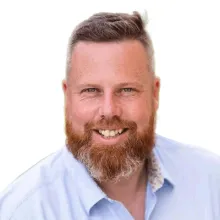
PAUL CULLIVER, HOST: What have you done to make sure that you are tickety-boo? This time yesterday, if you were listening, we were talking about bowel cancer screening tests and how successful the screening program has been over the last 20 years. Well, there's a bunch of other things you should probably be checking for if you're a man, and maybe you're getting on. We all are. Dan Repacholi, busy week for him. It is Men's Health Week. He is, of course, your Federal Member for Hunter, but also the Special Envoy for Men's Health. So it's really his week as well. Dan, good morning to you.
DAN REPACHOLI MP, SPECIAL ENVOY FOR MEN'S HEALTH: G'day, Paul, and g'day listeners. Get excited everyone, it is Men's Health Week where we put the health of blokes front and centre and make sure we're aware of some of the issues that we face as blokes.
CULLIVER: You've been here, there and everywhere. It's a busy week for you, but you are back in Singleton today. What happens today?
REPACHOLI: We're back in Singleton today at Morgan Engineering with the Men's Health Education Rural Van, checking in with the workforce for their blood pressure and cholesterol, and just having a chat with them about men's health. It's about putting the emphasis on getting to the GP, talking about your issues and getting a blood test every 12 months because if we can get that happening, we'll save many, many more lives in this country and around the Hunter as well.
CULLIVER: Well, that's it. The implication there being men maybe aren't doing that at the moment?
REPACHOLI: Not enough. Some blokes are, but we need to get more men out there, especially men in that age group of 25 to 50. Usually they're thinking about work, providing for their family and getting the kids to all the sporting events. The focus isn't always on their own health, it's usually on others.
We're just trying to turn that focus around a little bit because if we can be healthy blokes who get our check-ups and know there's nothing wrong with us, then we can be around for our families a lot longer. We'll spend thousands of dollars servicing our cars every year and doing maintenance on our houses, but we're just not doing the maintenance on ourselves. This is the time where we need to think about that and have that conversation with our GP.
CULLIVER: Dan Repacholi, you've been in this job for a minute now. What have you learned along the way about how to have this conversation with men?
REPACHOLI: I've learned that we've got to be where blokes are. If I talk like a politician, people tune out straight away, and I don't blame them.
When we just talk normally, like we're having a chat over a coffee, down at the pub, or at the footy club, it resonates with people. We need to make sure we're having those normal conversations and promoting the fact that we need to be around for our loved ones longer.
On average, blokes in city areas are dying just under five years younger than women. In rural and remote Australia, we're dying up to 13 years younger. If that doesn't tell you there's a difference in health literacy between men and women, I don't know what else does.
That's one of the scariest statistics I've found out in this role. It's also one we can genuinely change by going to the GP, getting a blood test and checking where we're at. We service our cars, but we don't service ourselves.
CULLIVER: This is personal for so many people. My older brother had a heart attack when he was about my age, and ever since then I've made sure I check my cholesterol and take my medication. I'm grateful he's still with us and healthy these days.
For anyone who's lost someone or had a close call, the message is there. But how do you get through to people who are scared to know if something might be wrong?
REPACHOLI: That is one of the issues for us as blokes. We are scared of what the doctor might tell us.
But we need to make sure we're around for our loved ones because they want us around as long as possible. If we need to take a little bit of time out of our lives each year to get on top of our health, that's a good thing.
We're around for our kids, our partners, our friends, our work colleagues and our communities. We all love doing our little bit and we need to make sure we're healthy enough to keep doing it.
Yesterday you spoke about bowel cancer and did a great job bringing awareness to it. Only 41.7 per cent of the bowel screening kits sent out to Australians get returned. Women are generally better at sending them back than blokes. Too often they end up in the bin or in a drawer.
If we can get those numbers up, we will literally save thousands of lives. And Paul, it's the only time you can post a bit of crap back to the Government and not get in trouble for it. You'll actually be encouraged to send it back because it could save your life.
CULLIVER: Just a reminder, the Men's Health Education Rural Van is in Singleton today. People can just rock up?
REPACHOLI: Absolutely. People can just rock up and see the van. It's at Morgan Engineering today.
The van travels all around rural and regional Australia and you'll often see it outside Bunnings or wherever a lot of blokes gather. The nurses do a fantastic job checking blood pressure and cholesterol levels.
These are two silent killers. We don't feel them and we don't see them. There's nothing that tells us where we're at unless we get tested.
So if you see the van anywhere around New South Wales, make sure you stop in, say hello to the nurses and get checked out. If any of your levels are a bit high, make sure you reach out to your GP and have that conversation.
CULLIVER: Happy Men's Health Week, Dan Repacholi. Thank you.
REPACHOLI: Cheers, Paul. Happy Men's Health Week and get tested, everyone. Enjoy the weekend.