
LIZ TREVASKIS, HOST: Though back to the topic of menopause, which we were talking about just before the news at three and the biological point of it. I'm sure you've probably all heard of menopause. You might be living through it at the moment, or going through perimenopause and that massive hormonal adjustment, or maybe you're on the other side and the monthly hormonal roller coaster of the menstrual cycle is long behind you.
You blokes, if your partner is going through this, you're probably copying a little bit as well.
But did you know men also go through hormonal change later in life? “Manopause”, it is a thing.
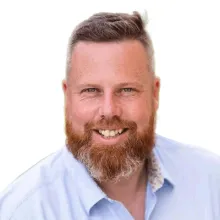
Dan Repacholi is a dad, Olympian, Federal Member for Hunter and the Special Envoy for Men’s Health. He spoke to us about men's pelvic floor a few weeks ago and he's back to tell us about manopause. Hello Dan.
DAN REPACHOLI MP, SPECIAL ENVOY FOR MEN’S HEALTH: Good afternoon Liz and good afternoon listeners. It's a pleasure to be back.
TREVASKIS: What’s manopause?
REPACHOLI: Look, most people have heard about menopause and a lot of us have seen our partners, sisters or mums go through it. There’s been a lot more conversation about it in recent years as well.
My wife is actually going through perimenopause now, so it’s a time that’s bringing some changes in our household.
But when it comes to andropause, or what people sometimes call male menopause, it tends to fly completely under the radar. For a lot of blokes the response is usually something like: “I'm just getting old” or “I'm just tired, that's life.”
TREVASKIS: So what exactly is happening? With women we know about the three hormones, estrogen, progesterone and testosterone, and during perimenopause they go a bit chaotic. What’s happening for men?
REPACHOLI: As men get older, testosterone levels gradually decline and that's a normal part of ageing.
But for some men that drop can be significant enough that they start noticing changes in how they feel day-to-day.
The symptoms can show up in different ways. Some blokes might feel flat, irritable or a bit down for no clear reason. Others might notice low energy or poor sleep.
You can also see loss of muscle mass, changes in weight, lower libido, brain fog and trouble concentrating.
TREVASKIS: Now I should say, you’re not a doctor. This is general advice.
REPACHOLI: Definitely not a doctor, this is just general advice.
And I’m glad you mentioned doctors because if any blokes out there are noticing these changes, or their partners are seeing it in them, they should start that conversation and talk to a GP.
Men aren’t great at going to the doctor. We say things like “I'll be right” or “It’ll sort itself out.”
But we need to change that mindset. We need to be getting our yearly check-ups and talking to our GP about our health.
Because our loved ones deserve us to be around for as long as possible. Something as simple as a yearly blood test and a conversation with your GP can save lives.
TREVASKIS: What age do hormones start declining for men?
REPACHOLI: It varies, just like it does for women.
It can start anywhere from the late 30s onwards. Some men might never really notice it, while others can experience quite significant symptoms.
Everyone’s different. The key thing is noticing changes in your body.
Women are generally very good at listening to their bodies, blokes probably aren’t quite as good at that.
TREVASKIS: Have you been through it yourself?
REPACHOLI: I turn 44 this year and if you ask my wife and daughters they might say occasionally!
But I don’t think I’ve gone through it. I’ve been focusing on my health, I’ve lost a fair bit of weight recently, getting to the gym, having regular blood tests and check-ups.
I’m trying to make sure I’m as healthy and fit as I can be for myself and my family.
TREVASKIS: What can a GP do if someone is experiencing symptoms?
REPACHOLI: There are a number of options available, and that’s exactly why having the conversation with your GP is so important.
We need to normalise men talking about their health.
If something doesn’t feel right, don’t shrug it off. Talk to a loved one, talk to your GP, and ask the question.
When men look after their health everyone benefits — families, workplaces and communities.
Healthier men mean stronger communities right across the country.
TREVASKIS: Sometimes it can also be difficult finding the right GP for these conversations.
REPACHOLI: That’s exactly right. One thing I’ve learned in this role is that not everyone is suited to everyone.
You might not click with one doctor or health professional, and that’s okay.
I often use the example. if you have a bad pizza, it doesn’t put you off pizza forever. You just find a different pizza shop.
The same applies to healthcare. If one doctor isn’t the right fit, find one that works for you.
TREVASKIS: Before you go, a message for people in Katherine after major flooding over the weekend?
REPACHOLI: My heart goes out to everyone in Katherine and the surrounding communities who have been dealing with the flooding.
To all the families out there, please look after yourselves, stay away from floodwaters and follow the emergency advice.
Natural disasters don’t just damage homes and roads, they can take a real toll on people’s wellbeing as well.
So check in on your family, your neighbours and your friends and make sure everyone is safe.