
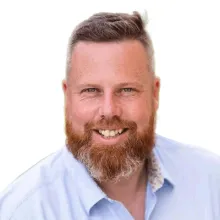
JENNY MARCHANT, HOST: Nice to be with you. Do you have someone in your life who has struggled with their weight? Maybe their doctor has recommended a GLP 1 medication, the type of drug many people know by brand names like Ozempic. You might have tried it yourself. There can be a bit of stigma around these medications.
You may have heard the World Health Organization has now endorsed GLP 1 medications as long term treatments for obesity, recognising obesity as a chronic disease. The WHO is also calling for obesity treatment to be universally accessible, affordable and sustainable.
That came just a day after Australia’s medicines regulator released a warning about potential risks of suicidal thoughts and behaviours when taking these drugs, with researchers stressing patients need medical advice and must stay under their doctor’s care.
In Australia these medications are only available on the PBS for type 2 diabetes, which means they can be expensive for people using them for weight management. Could that change?
Dan Repacholi is the MP for Hunter and joins us this afternoon. Dan, hello.
DAN REPACHOLI MP, SPECIAL ENVOY FOR MEN’S HEALTH: Good afternoon Jenny and good afternoon to your listeners.
MARCHANT: You have spoken openly about being on weight control medication. What kind of impact has it had on your life?
REPACHOLI: I have been very open about it Jenny because I think if someone in my role cannot talk about this, how can we expect George or Colin or Chris down the street to talk about their own experiences.
GLP 1 medication has done wonders for me. I am down 35 kilos. I have gone from weekly injections to one injection every six weeks. But it is no magic fix. The medication helps, absolutely, but you still have to put the work in. You have got to watch what you eat, you have got to move, and you have got to focus on things like fibre and protein. Your doctor will talk to you about all of that, which is so important.
MARCHANT: Do you think there is still a bit of stigma around using these medications? People saying it is the easy way out or not the right way to do it?
REPACHOLI: Absolutely. And to those people I would say this. Have you ever been in this situation yourself?
I tried for years to shift weight. I was embarrassed to talk to my doctor. And that is coming from someone who has represented Australia at five Olympics and won Commonwealth Games medals. I had all the training in the world about nutrition and fitness and I still struggled.
I got to 152 kilos. I am still a big unit, but now I am 35 kilos lighter. And I am so glad I finally went to my GP because it honestly changed my life.
MARCHANT: From that personal experience to the professional side. Before the election you talked about whether these drugs should be on the PBS for obesity treatment. You are now the Special Envoy for Men’s Health. Is this something you are still raising at a government level?
REPACHOLI: Yes. I have spoken with the manufacturers of GLP 1 medications. To get on the PBS there is a full assessment process they have to go through. Safety, effectiveness, value for money, all of it.
We know these medications are showing strong results, but the system has to be done properly. The manufacturers are working through that process now. Once that is complete, then it can be considered for the PBS.
I am not going to jump ahead of the process, but I will keep talking with them to make sure it all progresses the right way.
MARCHANT: So you are hopeful it could move in that direction?
REPACHOLI: Look, anything we can do to make weight loss more accessible in this country is a good thing. We have high rates of obesity. The cost to the health system is huge. And there are a lot of people who genuinely struggle with weight control.
But whatever we do has to be affordable and available to the people who need it most.
MARCHANT: What kind of price difference does PBS listing make?
REPACHOLI: It is an agreement between the government and the manufacturer. It is not as simple as making it cheaper. There are a lot of steps. If it gets to that point, that is when those conversations happen.
Right now there is no doubt it is tough for many families. Low and middle income earners cannot always afford these medications. That is a real issue.
MARCHANT: Another concern is supply. If more people start using these drugs for weight loss, do we need to increase supply or manufacture more here in Australia?
REPACHOLI: That is something we need to keep an eye on. One of the reasons it took me so long to start on it personally was because I did not want to be taking medication away from someone with diabetes who needed it.
My doctor told me the specific GLP 1 I was prescribed did not have a supply issue, but another brand did. From what I have been told, those supply problems are improving. But yes, it is something that always has to be monitored.
MARCHANT: Dan, thanks for talking us through both the personal and the professional sides of this.
REPACHOLI: Thanks very much Jenny. Have a great day.
MARCHANT: Dan Repacholi, Member for Hunter and Special Envoy for Men’s Health. A reminder these are prescription medications, so you must be under the care of a doctor. Talk to your GP about whether they are right for you.